We analyzed this claim: is it true that
governments used the 2026 Nobel Prizes to advance political agendas, with the Peace Prize provoking a diplomatic crisis over the International Criminal Court?
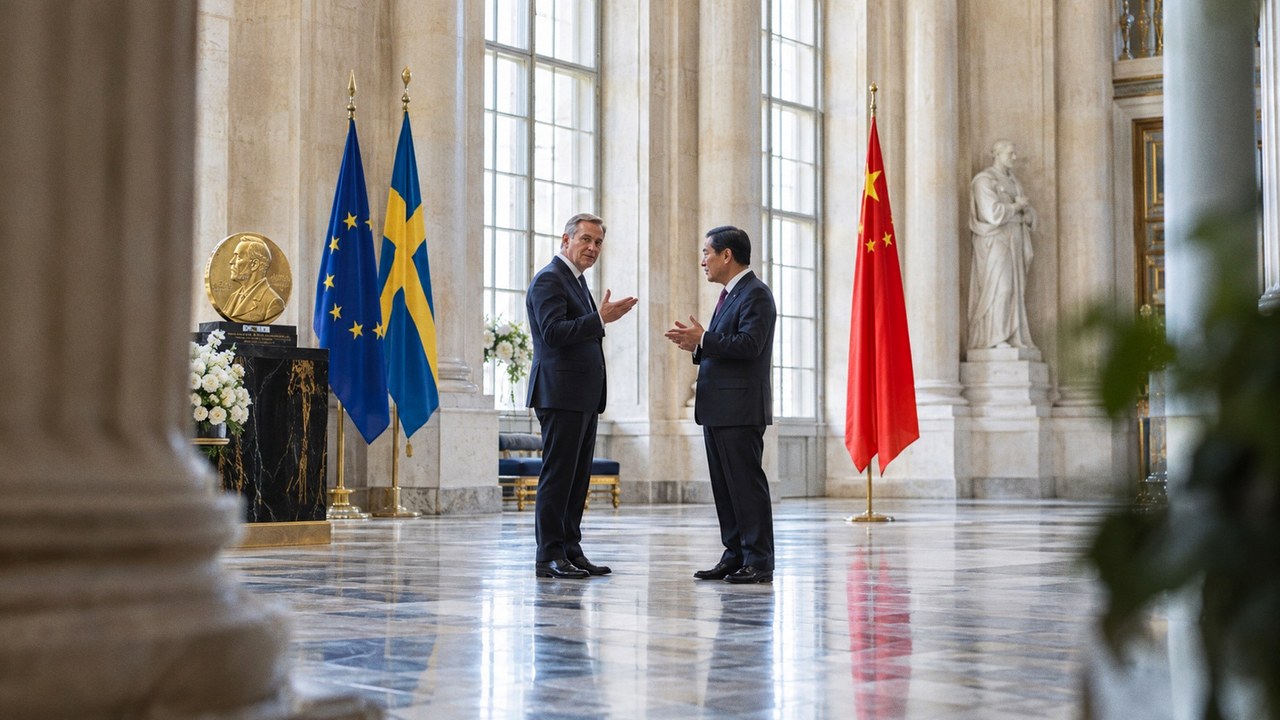
records show leaders claimed science and literature prizes as national triumphs, while the Peace Prize split allies and coincided with American sanctions on the court, though no evidence proves the award caused them
How One Nobel Peace Prize Divided Allies Over Justice
Science awards brought pride, but the peace choice triggered a clash over global courts.
Other links
Norwegian Nobel CommitteeUnited States governmentNavanethem "Navi" PillayInternational Criminal CourtThe story continues
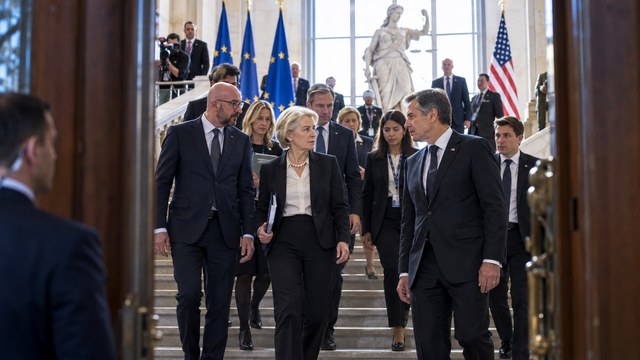
European Lawmakers Push to Shield War-Crimes Court
14 October 2026Lawmakers urge European protection for the International Criminal Court as Nobel laureate Navi Pillay challenges US sanctions.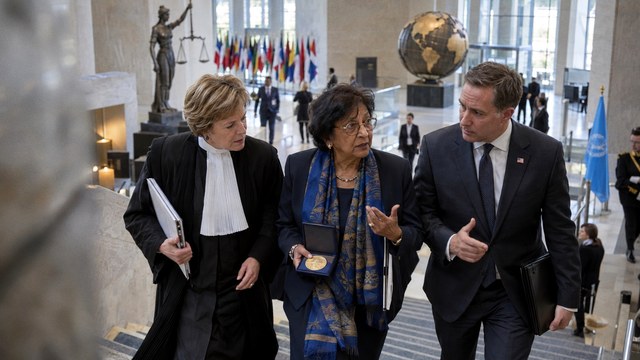
Nobel Laureate's Award Cannot Block American Sanctions
13 October 2026Navi Pillay's Peace Prize brought global acclaim to embattled international courts but provided no legal shield against US financial penalties.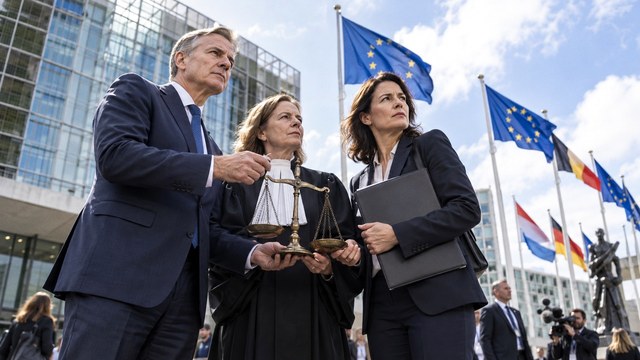
Europe Weighs Legal Shield for Global Court
12 October 2026European capitals consider using special protective laws after Washington targets the world war-crimes court.
In a nutshell
Governments routinely use Nobel Prizes to claim national glory, but the 2026 awards showed how quickly a peace prize can open diplomatic rifts. While early announcements in science and literature brought easy praise from heads of state, honoring South African jurist Navanethem "Navi" Pillay sparked outrage in Israel and the United States over her past inquiries into the war in Gaza. Washington placed financial penalties on the International Criminal Court on the same day, prompting traditional American allies to join forces in defence of the global tribunal.
Highlights
- Leaders in Germany, Japan, and Canada celebrated the science and literature prizes as symbols of national achievement.
- The 2026 Nobel Peace Prize went to South African jurist Navanethem "Navi" Pillay for her work in international law.
- Israel and the United States strongly condemned Pillay's selection, citing her leadership of a United Nations inquiry into Gaza.
- The United States imposed financial sanctions on the International Criminal Court on the day of the Peace Prize announcement.
- Eight allied nations, including Japan, Canada, and Britain, issued a joint statement defending the international court.
From the Editor’s Diary
A prize can celebrate a person, but governments will always claim the glory and fight over the politics. When awards touch on war and justice, even the closest allies can find themselves standing on opposite sides.
Who's involved
Norwegian Nobel Committee
Independent five-member Norwegian panel that chooses the Peace Prize winner
goal → Award contributions to peace and law without yielding to outside political pressure
United States government
American administration led by President Donald Trump with sanctions authority
goal → Oppose the selection and shield itself and allies from international criminal courts
Israeli government
Leadership under Prime Minister Benjamin Netanyahu facing a court arrest warrant
goal → Defend its actions, reject genocide accusations, and challenge court legitimacy
Navanethem "Navi" Pillay
South African jurist and 2026 Nobel Peace Prize laureate
goal → Uphold international accountability and protect independent courts examining war crimes
International Criminal Court
Treaty-based permanent court in The Hague prosecuting war crimes and genocide
goal → Maintain operations and independence despite American financial penalties
Eight-country diplomatic coalition
Group of eight court member states including Canada, Japan, and European allies
goal → Safeguard the court's legal work and openly oppose American sanctions
National governments celebrating laureates
States including Japan, Canada, South Africa, and Norway that honored winners
goal → Turn Nobel honors into national prestige, cultural standing, and political support
Swedish Nobel-awarding institutions
Independent Swedish panels choosing winners in medicine, physics, chemistry, and literature
goal → Recognize scientific and cultural breakthroughs through independent choices
In short
The 2026 Nobel Prizes showed that honoring individual achievement can split the world's most powerful nations over the rule of law. A science or literature award lets a country claim pride, but a Peace Prize forces governments to take a public stand on contested international conflicts.
This dispute makes further diplomatic clashes likely between Washington and its traditional allies over how global courts operate.
Whether those alliances fracture further remains uncertain, because it depends on how strictly the United States enforces its measures and whether partner states actively shield the court.
How it unfolded
Arrest Warrants Establish the Legal Dispute
The tensions surrounding the 2026 Peace Prize began long before this year's awards. In late 2024, the International Criminal Court issued arrest warrants for Israeli Prime Minister Benjamin Netanyahu and his former defence minister over alleged war crimes in Gaza. The warrants were formal allegations rather than final verdicts, but they created a bitter fight over whether the Hague-based court had the right to judge leaders of nations that never joined it.
A United Nations Inquiry Stirs Deep Anger
Disputes deepened in September 2025 when an independent United Nations commission led by Pillay concluded that Israeli authorities committed genocide in Gaza. Israel firmly rejected the finding. The report was an investigative inquiry rather than a binding verdict from a court, but it closely tied Pillay's name to the war in Gaza. That link made her future recognition intensely controversial, even though her legal career spanned decades of work from post-apartheid South Africa to the United Nations.
Early Science Awards Bring Harmless National Pride
The 2026 announcements began smoothly in Stockholm with awards that carried no diplomatic friction. Medicine went to researchers whose discoveries let scientists control nerve cells using light, prompting local leaders in Berlin to celebrate the award as proof of their city's scientific standing. The physics prize honored cosmic particle research at a giant observatory in Antarctic ice, leading the American National Science Foundation to point to its decades of public investment as a shared success.
Leaders Use Culture and Chemistry for Public Standing
Diplomats continued to draw easy credit from research and writing as the week progressed. Japan's prime minister called laureate Kenso Soai to celebrate his work in chemistry, framing it as a national contribution to humanity, while French officials honored co-winner Henri Kagan. A day later, Canadian Prime Minister Mark Carney held up poet Anne Carson's literature prize as a victory for Canadian culture. These honors let heads of state celebrate national talent without having to justify war policies or navigate Why the 2026 Science Nobels Took Decades to Arrive.
The Peace Prize Splits Global Alliances
Calm broke on Friday morning when Norway's panel awarded the Peace Prize to Pillay for her lifelong work in international law. South Africa, France, Spain, and European Union leaders embraced the choice as a victory for global justice, while Norway noted its committee works without state direction. Israel immediately attacked the award, calling Pillay biased, and Netanyahu denounced the selection. The prize turned a spotlight back onto the Gaza war, forcing governments to choose between backing the jurist or standing with Israel.
Washington Imposes Sanctions on the Hague Court
Hours after the announcement, the United States escalated the confrontation by placing financial sanctions directly on the International Criminal Court, where Pillay had once served as a judge. Secretary of State Marco Rubio said the court had overreached its powers, and Trump criticized the prize panel at a campaign rally. Official records show Washington had long fought the court's jurisdiction, so the timing does not prove the Nobel announcement caused the sanctions. Even so, eight allied nations promptly broke with Washington, issuing a joint pledge to defend the tribunal's independence.
Allies Rally Behind the Threatened Tribunal
The confrontation quickly turned into active diplomatic defence. The African Union praised Pillay's win as an honor for African leadership, while member states of the Hague court voiced regret over the sanctions. Japan's foreign minister held an urgent telephone call with the court's president, Tomoko Akane, to discuss how the tribunal could survive the American restrictions. Appearing in Oslo, Pillay declared that punishing judges for doing their work was unacceptable, shifting the debate entirely from who deserved a prize to how international justice can function under pressure.
We checked again
No new developments at this moment.
Checked Reuters, AFP, the Norwegian government, the International Criminal Court, OFAC and October 11 reporting; no independently verified diplomatic development, new official decision or reversal after October 10 was found, and October 11 publications largely recount earlier events.
Where things stand
Diplomatic records show a sharp split across world capitals following the 2026 Nobel announcements. While science and literature winners drew warm congratulations from Germany, Japan, Canada, and American agencies, the Peace Prize brought direct confrontation. South Africa and European allies praised Pillay, but Israel and the United States condemned her. Washington's decision to sanction the International Criminal Court on the same day drew coordinated opposition from eight partner nations, who pledged to keep the court working.
Major legal and diplomatic questions remain unsettled. Backing the International Criminal Court does not mean endorsing every warrant it issues, nor does it prove that every allied government supported Pillay's award. The United Nations inquiry into Gaza remains an investigative report rather than a formal court conviction, and records do not show whether the Nobel announcement directly triggered the American sanctions. World leaders will face their next major test in December, when member states gather to decide how to operate under American financial limits.