We analyzed this claim: is it true that
Nobel Peace Prize laureate Navi Pillay publicly challenged US sanctions against the International Criminal Court while European lawmakers escalated demands for legally binding protection?
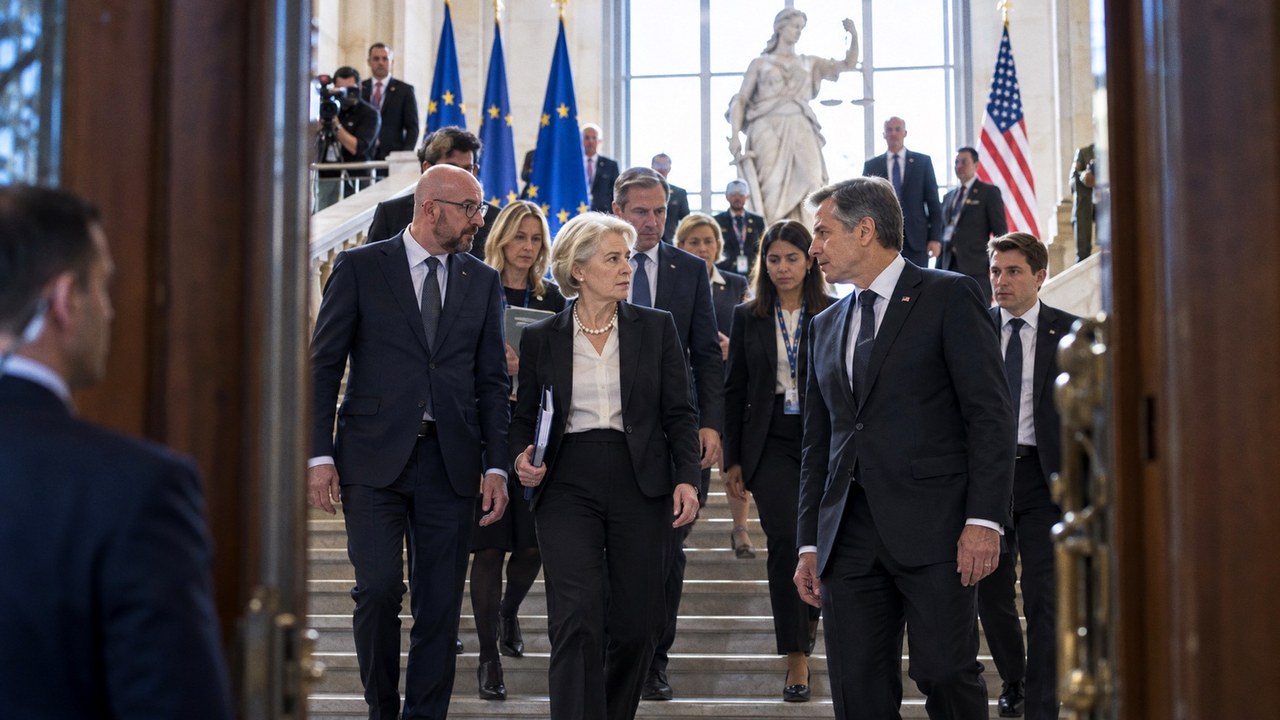
Pillay's October 13 interview and the letter from 58 European lawmakers are documented, but the European Union has not activated protective measures and Washington has not lifted sanctions
European Lawmakers Push to Shield War-Crimes Court
Lawmakers urge European protection for the International Criminal Court as Nobel laureate Navi Pillay challenges US sanctions.
In a nutshell
The United States has penalized the International Criminal Court with financial sanctions, prompting Nobel Peace Prize winner Navi Pillay to call on Washington to respect human-rights law while 58 European lawmakers urge the European Union to enact emergency protections. The penalties threaten the war-crimes court's access to global banks and technology, but European leaders have yet to pass any binding measures to stop them.
Highlights
- The United States placed the International Criminal Court under sweeping financial sanctions on October 9.
- Washington granted a six-month wind-down window and narrow exemptions for essential services.
- South African jurist Navi Pillay won the 2026 Nobel Peace Prize the day sanctions were announced.
- Fifty-eight European lawmakers asked the European Commission to activate its legal shield to protect the court.
- The European Union has not yet approved or enacted any legal countermeasures.
From the Editor’s Diary
Political pressure can rally public defense around an international institution, but an embattled tribunal ultimately depends on whether partner governments turn political sympathy into enforceable legal protection.
Who's involved
Navi Pillay
South African jurist, former war-crimes judge, and 2026 Nobel Peace Prize winner
goal → Urge governments to defend international courts and hold perpetrators of wartime sexual violence accountable
Aurore Lalucq and Dirk Gotink
European Parliament members leading the cross-party initiative
goal → Convince European authorities to pass legal protections that keep banks and tech firms working with the court
United States government
American presidential administration that placed the international court under financial sanctions
goal → Block the court from investigating citizens of the United States and its nonmember allies
European Commission
Executive branch of the European Union headed by Ursula von der Leyen
goal → Weigh whether to deploy legal shields against American sanctions or rely on diplomatic talks
International Criminal Court
Treaty-backed court in The Hague supported by 125 nations to prosecute the gravest global crimes
goal → Keep its banking, software, and staff intact so it can continue investigations and trials
In short
A standoff between Washington and Europe over global war-crimes justice is now threatening the day-to-day operations of the world's permanent war-crimes court. The dispute matters because US financial penalties risk cutting the International Criminal Court off from global banking and technology services, making trials and investigations harder to run.
The next critical step is whether the European Union enacts legal shields to force European companies to ignore the American restrictions. That step remains uncertain because European Union leadership has yet to adopt any formal countermeasures or change its existing laws.
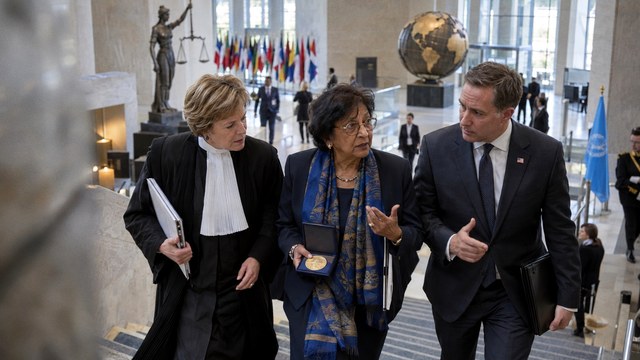
The International Criminal Court, based in The Hague, prosecutes individuals accused of genocide, war crimes, and crimes against humanity. On October 9, the United States imposed financial sanctions on the court, arguing it has no right to investigate citizens of nonmember countries such as the United States and Israel. Those penalties arrived the same day former court judge Navi Pillay won the 2026 Nobel Peace Prize, turning her prize into an immediate platform to contest Washington's move.
Previously in this story
Nobel Laureate's Award Cannot Block American Sanctions
13 October 2026Navi Pillay's Peace Prize brought global acclaim to embattled international courts but provided no legal shield against US financial penalties.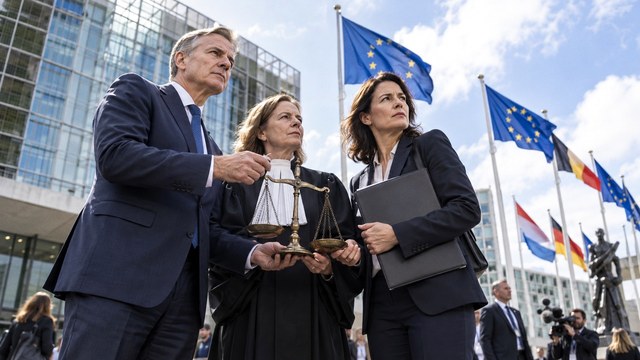
Europe Weighs Legal Shield for Global Court
12 October 2026European capitals consider using special protective laws after Washington targets the world war-crimes court.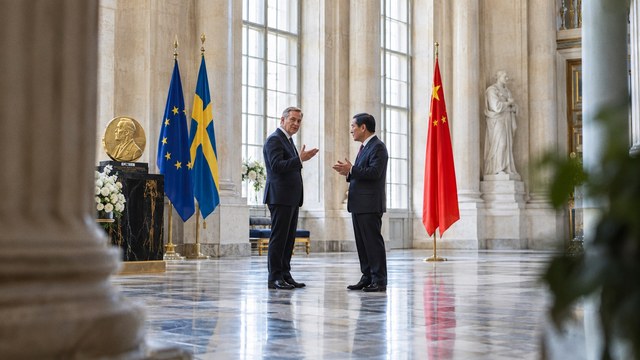
How One Nobel Peace Prize Divided Allies Over Justice
11 October 2026Science awards brought pride, but the peace choice triggered a clash over global courts.
How it unfolded
Washington places the international court under sanctions
The confrontation began when the United States Treasury placed the International Criminal Court under direct financial sanctions. Washington issued four temporary licenses, giving companies a six-month window to wind down business alongside exemptions for basic essential needs. The decision came hours after judges announced Navi Pillay had won the Nobel Peace Prize, drawing immediate global attention to the pressure facing the court.
A Nobel Laureate's Challenge Meets a Parliamentary Demand
The conflict sharpened when Pillay gave an interview urging the United States to return to defending human rights rather than penalizing judicial bodies. She confirmed she had visited colleagues in The Hague on October 12 to show solidarity under American pressure, and noted that after her term at the separate International Court of Justice ends, she plans to focus on prosecuting wartime sexual violence.
On the same day, 58 European lawmakers led by French socialist Aurore Lalucq and Dutch conservative Dirk Gotink sent a letter to European Commission President Ursula von der Leyen. They demanded that Brussels activate the European Union's Blocking Statute, a law that forbids European firms from following foreign sanctions, to preserve the court's critical banking and technology ties. The request shows growing European anger, yet European authorities have taken no binding steps, leaving open the question of whether international recognition can shield the court from sanctions.
Where things stand
Washington's sanctions remain fully in place, cushioned only by temporary wind-down licenses. European lawmakers have formally asked their executive leadership to intervene, but the European Commission has not amended its laws or created concrete shields for the court's banking services.
The immediate question is whether European Commission officials will grant the lawmakers' request before American grace periods expire. European leaders meet on October 15-16, though it is not yet established whether protecting the court will make their formal agenda. For now, political support for the court is rising, but legal protection remains unbuilt.