We analyzed this claim: is it true that
WHO documented 9,704 confirmed Bundibugyo Ebola cases and 4,687 deaths in the Democratic Republic of the Congo while Kenya recorded its second death and an experimental vaccine trial began?
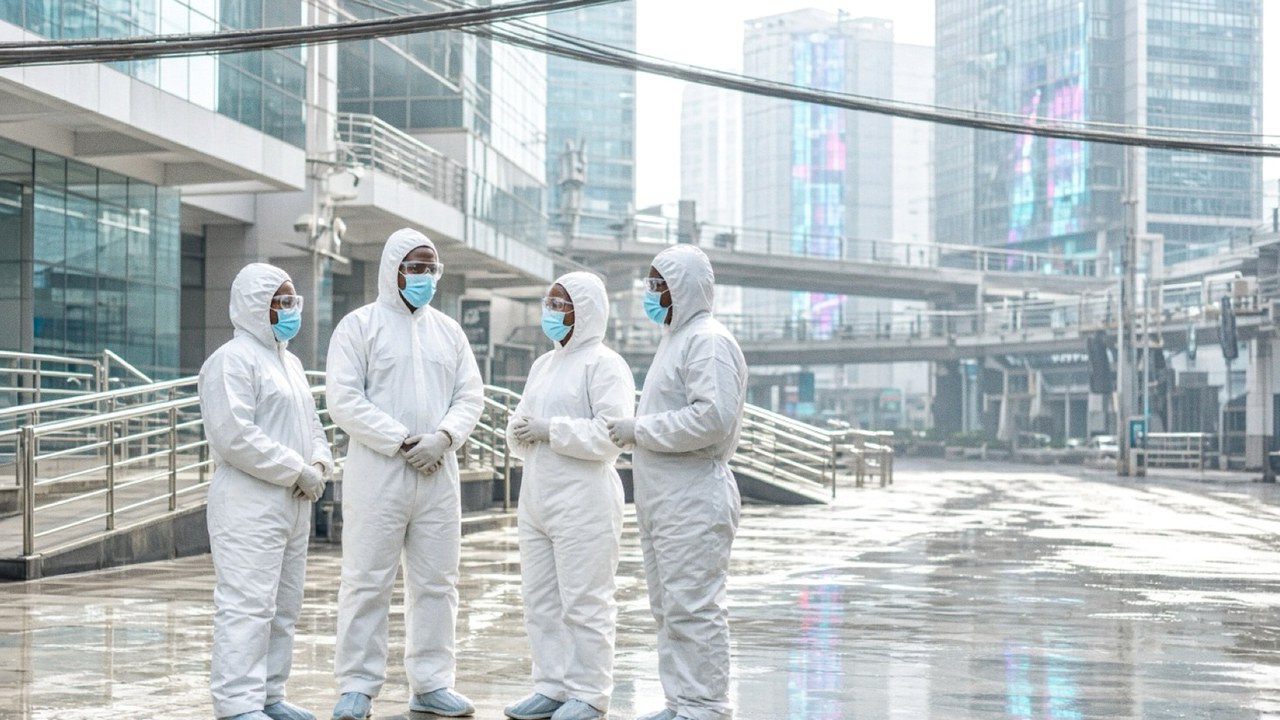
Official records verify 4,687 deaths in Congo alongside a second death in Kenya, and human testing of a trial vaccine started in eastern Congo on October 23.
WHO counts 4,687 Congo Ebola deaths
A deadlier Ebola strain spreads across central Africa without an approved cure as researchers begin testing experimental vaccines.
Other links
World Health Organization (WHO)Democratic Republic of the Congo Ministry of Public Health, Hygiene and Social WelfareThe story continues
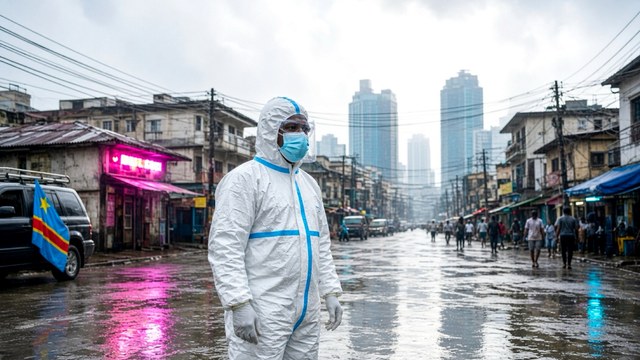
Congo health system strains under 5026 Ebola deaths
31 October 2026The Democratic Republic of the Congo faces a growing outbreak of the deadly Ebola virus as hospital strikes, violence and shortages leave thousands of exposed people unmonitored.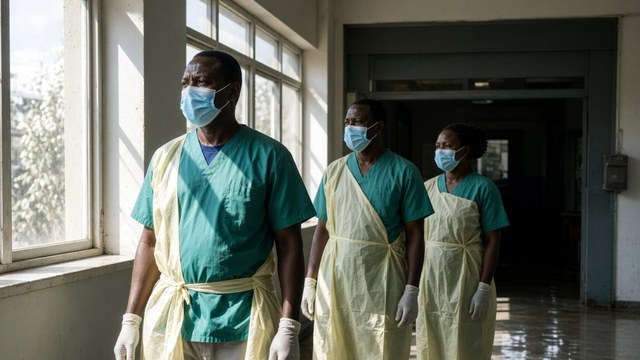
Congo records 10060 Ebola cases without approved vaccine
27 October 2026Official health records show Congo crossed 10,000 confirmed Ebola infections in an outbreak that has killed 4,887 people with no licensed vaccine.WHO tracks Ebola spread beyond Central Africa
25 October 2026Bundibugyo strain reaches Kenya and Nigeria as regional agencies step up hospital readiness and border tracing
In a nutshell
An uncontained epidemic of Bundibugyo Ebola has killed 4,687 people in Congo, where nearly half of infected patients die and no licensed medical cure exists. While Kenya has contained nine cases inside a known quarantine group, regional spread has triggered travel alerts across Africa and prompted scientists to begin emergency human trials with unproven candidate vaccines.
Highlights
- Congo confirmed 4,687 deaths among 9,704 cases of Bundibugyo Ebola through October 20.
- Kenya recorded its second death among nine confirmed infections, all linked to one imported case.
- Doctors in Bunia administered the first injection in an experimental vaccine efficacy trial.
- Health workers in Congo reached 24,017 of 30,130 monitored contacts, falling short of their tracking target.
From the Editor’s Diary
Contact tracing can bottle up imported infections, but stopping an epidemic ultimately requires an effective vaccine.
Who's involved
World Health Organization (WHO)
United Nations agency coordinating global disease monitoring
goal → Count infections accurately, guide national health services, and stop cross-border spread
Democratic Republic of the Congo Ministry of Public Health, Hygiene and Social Welfare
Government department leading outbreak control across Congolese provinces
goal → Halt community spread, protect doctors, expand bed capacity, and support clinical field trials
Kenya Ministry of Health and Dr Patrick Amoth
National health ministry and its chief medical director managing quarantine hospitals
goal → Stop transmission outside the known cluster, treat isolated patients, and track exposed contacts
Tumaini clinical trial consortium
Scientific partnership testing emergency vaccines in African hospitals
goal → Test candidate vaccines for human safety, immune response, and real-world protection
Nigeria Federal Ministry of Health and Social Welfare
Federal health authority supervising isolation units in Abuja
goal → Trace the path of imported infection, compare virus genetics, and prevent local spread
Uganda Ministry of Health
National health ministry overseeing frontier border checkpoints
goal → Investigate international transit links and screen travellers without closing commerce
United States Centers for Disease Control and Prevention (CDC)
Federal public health agency setting international entry rules
goal → Reduce importation risks through flight screening and mandatory traveller declarations
European Centre for Disease Prevention and Control (ECDC)
European Union agency tracking continental health threats
goal → Evaluate outbreak figures independently and brief European authorities on potential travel risks
In short
The central fact is that an uncontrolled Ebola outbreak in central Africa has killed nearly half of all known patients while lacking any approved medicine. This emergency leaves neighbouring nations exposed to lethal imported infections until scientists can prove a working vaccine.
Halting this crisis will require finding exposed contacts fast enough to stop chains of transmission before the virus slips undetected into regional travel hubs. That outcome remains uncertain because health workers are reaching fewer than four out of five monitored contacts in Congo, allowing hidden chains of spread to persist.
The crisis stems from Bundibugyo virus, a rare species of Ebola that causes severe internal bleeding and organ failure. Outbreak tallies documented 9,704 confirmed cases and 4,687 deaths across eight Congolese provinces through October 20. When an infected traveller reached Nairobi, Kenyan doctors traced every direct contact, yet supportive care could not prevent a second death inside isolation. Scientists have now begun testing an existing Ebola vaccine in eastern Congo to see whether it provides cross-protection against this distinct strain.
Flagged by: Life & Health Science Barometer · 24 October 2026
Previously in this story
Kenya halts Ebola spread at nine cases
22 October 2026All known infections remain locked inside monitored quarantine as health teams trace contacts.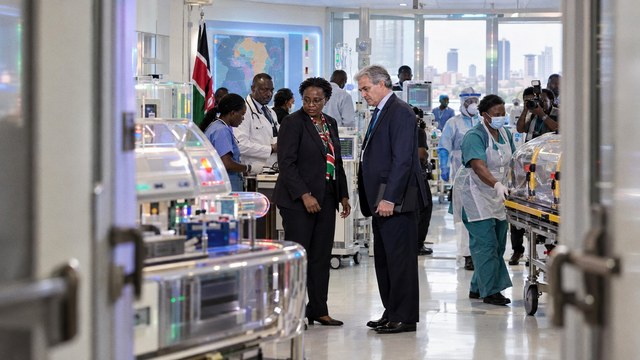
Kenya confirms fatal Ebola case in traveler
7 October 2026Health officials race to trace flight contacts after an infected citizen arrives from Congo.Congo Ebola trial tests Gilead pill on 250 contacts
5 October 2026Researchers test whether an antiviral tablet can block the Bundibugyo strain before symptoms start
Congo battles record Ebola outbreak of 7733 cases
26 September 2026Declining infections in the original hotspot bring hope, but flare-ups in new provinces keep health agencies on high alert.Congo battles record Ebola surge across 63 health zones
24 September 2026A rare virus strain with no approved vaccine pushes confirmed deaths past 3,700 in eastern provinces.
DR Congo Ebola outbreak reaches 7,541 confirmed cases
20 September 2026The Democratic Republic of the Congo faces its worst Ebola epidemic on record without an approved vaccine.Congo Battles Deadly Ebola Surge as Cash Dwindles
31 August 2026A rare strain outbreak spreads across six provinces, leaving emergency teams weeks away from running out of funds.
Congo battles record Ebola outbreak across 60 zones
29 August 2026The country faces its largest epidemic on record as emergency teams struggle to monitor people exposed to the virus.
WHO clears Uganda of 2026 Ebola outbreak
28 August 2026Health officials declared Uganda free of active Ebola after 42 days passed with no new infections following the release of the last patient.Congo Ebola Deaths Top 2,600 as Outbreak Accelerates
27 August 2026The Democratic Republic of the Congo faces its deadliest Ebola crisis on record as an uncommon viral strain outpaces emergency containment.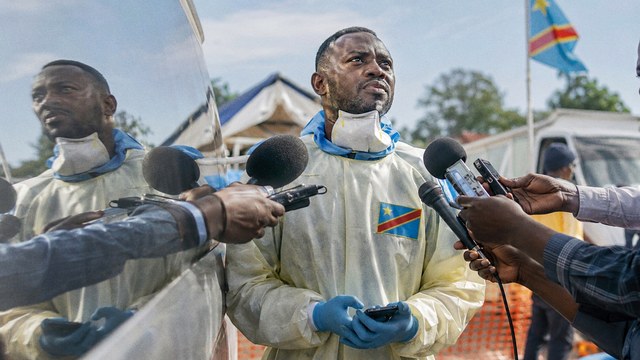
Congo Ebola Deaths Pass 2,500 as Transmission Outruns Response
21 August 2026The Democratic Republic of the Congo is fighting its 17th recorded Ebola outbreak, caused by the Bundibugyo species of the virus.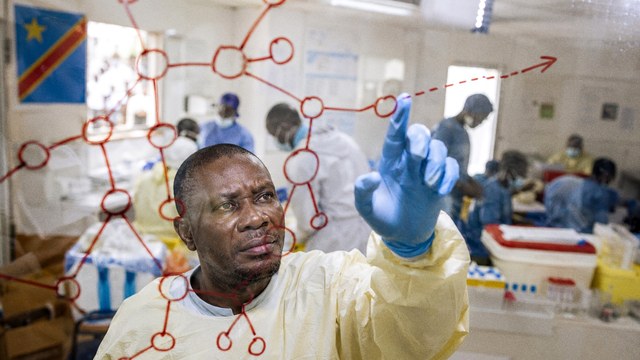
Congo Ebola outbreak becomes deadliest with 2,325 deaths
18 August 2026Congo's 17th Ebola outbreak is caused by the rarer Bundibugyo virus, for which there is still no licensed vaccine or proven specific treatment.
Congo Ebola deaths pass 2,000
13 August 2026Congo has confirmed 4,449 Bundibugyo Ebola cases and 2,061 deaths as the outbreak continues to spread faster than the response can contain it.
Congo Ebola outbreak passes 4,000 confirmed cases
9 August 2026Congo's 17th recorded Ebola outbreak is caused by Bundibugyo virus, a less common Ebola species that had no approved strain-specific vaccine or proven virus-specific treatment when the epidemic began.
How it unfolded
Kenya tracks contacts before an isolated patient dies
Kenya began the period with all 135 known contacts under watch, showing that careful contact tracing can bottle up an imported infection. A second death inside isolation soon showed that tracing alone cannot rescue critically ill patients.
Health workers track exposed contacts while patients remain ill
Kenyan medical teams monitored everyone who met the original patient, preparing to release symptom-free contacts after 21 days of observation. Isolating exposed people prevented wider community spread, but it could not ensure that every hospitalised patient would survive.
Border checks tighten as scientists study matching virus samples
A separate imported case in Nigeria revealed genetic ties to the virus found in Kenya, prompting questions about how the infection travelled across borders. Regional neighbours stepped up travel screening, while the United States ordered future declarations for airline passengers arriving from Congo.
United Nations records reveal high community death tolls
Official reports showed the epidemic expanding across 66 health zones in Congo, with many victims dying at home before reaching medical centres. Health teams struggled to reach one-fifth of known contacts, leaving chains of transmission unmonitored.
Doctors inject the first volunteer in an experimental vaccine trial
Researchers in Bunia gave the first experimental shot in a clinical trial testing whether an existing Ebola vaccine can prevent the Bundibugyo strain. The trial tests an unlicensed application during an active emergency, so whether it provides effective immunity remains unproven.
A second patient dies under quarantine in Nairobi
A 65-year-old woman died in an isolation ward in Nairobi after catching the virus from an infected relative. Her death doubled Kenya's fatalities to two, while health officials kept seven other patients under medical care without detecting any wider public spread.
Where things stand
Verified records show 9,704 confirmed infections and 4,687 deaths in Congo through October 20, while Kenya has recorded nine cases, two deaths, and seven patients in isolation. Nigeria continues to treat one imported infection whose exact travel origin remains undetermined.
Scientists do not yet know whether the experimental vaccines will successfully shield people against this specific Bundibugyo virus. The next milestones depend on whether trial doses protect frontline workers and whether Kenya's quarantined contacts complete their 21-day monitoring window without developing illness.