We analyzed this claim: is it true that
the United States attacked an Iranian air-defense base on Qeshm Island while both countries were exchanging peace proposals over shipping routes through the Strait of Hormuz?
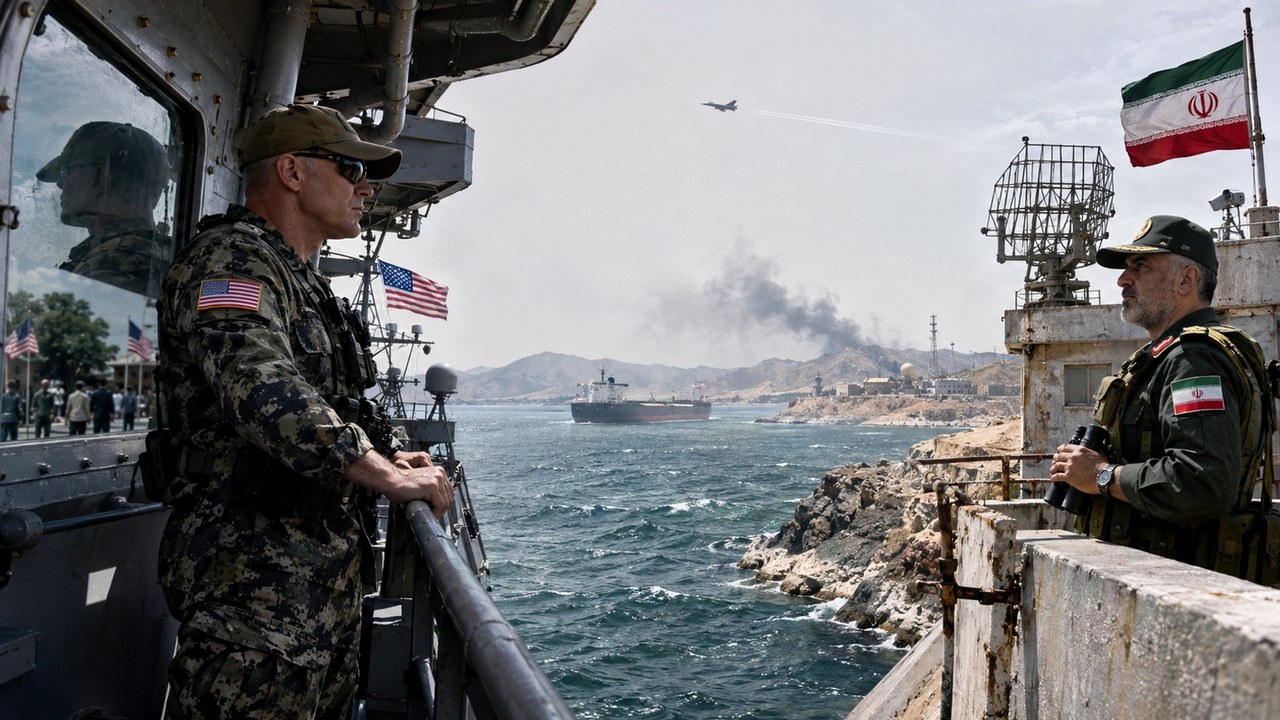
American officials and President Donald Trump confirmed striking an Iranian air-defense facility on Qeshm Island on November 2, but the resulting damage and casualties remain unverified.
Trump strikes Iranian island imperiling energy talks
American forces bombed an Iranian military site on Qeshm Island on November 2, 2026, risking delicate negotiations over oil shipments hours before United States voting began.
The story continues
Iran claims shootdown of US drone over Hormuz
4 November 2026Tehran says it destroyed an American surveillance aircraft, but Washington has not confirmed any loss.
In a nutshell
An eight-month war between the United States and Iran has centered on the Strait of Hormuz, a narrow waterway essential for global petroleum shipments. While indirect peace talks mediated by Qatar were making progress toward reopening the channel, American forces bombed an Iranian air-defense base on Qeshm Island on November 2. The strike contradicted a public promise to pause attacks before midterm elections, leaving peace negotiations in balance and maritime trade uncertain.
Highlights
- The United States bombed an Iranian air-defense site on Qeshm Island on November 2, 2026.
- President Donald Trump had publicly promised on October 8 that no attacks would happen before election day.
- Average petroleum transit through the Strait of Hormuz dropped from 21.6 million barrels per day late in 2025 to 4.9 million in mid-2026.
- Iran offered to restore normal sea traffic within two days if Washington lifted its naval blockade and economic sanctions.
- Global crude oil traded at $103.14 per barrel on November 3 as markets weighed the strike against continuing diplomatic talks.
Petroleum transit through the Strait of Hormuz
million barrels per dayThe findingDaily oil shipments through the waterway fell by more than three quarters during the conflict.
- The volume of petroleum transported daily through the strait dropped sharply after fighting began.
- Strait of Hormuz — A narrow maritime route connecting Gulf oil ports to open ocean trade
- Safe shipping through the strait determines whether global energy prices remain stable or spike.
From the Editor’s Diary
Diplomatic solutions remain fragile whenever military forces use local tactical strikes to maintain leverage during peace talks.
Who's involved
United States and President Donald Trump
The American government, which launched the war alongside Israel and maintains a naval blockade around Iranian waters
goal → Protect American forces, keep commercial ships moving, prevent Iranian nuclear arms and secure an agreement without heavy domestic political costs
Iran and its Islamic Revolutionary Guard Corps
The Iranian government and its primary military wing, which commands heavy missile batteries and naval units along the Persian Gulf
goal → Defend its homeland, protect its military sites, maintain leverage over oil routes and remove American economic sanctions and blockades
Qatar
A Gulf nation acting as a diplomatic bridge between Washington and Tehran with backing from partners such as Pakistan
goal → Stop renewed escalation, protect regional stability and international oil transport, and broker a working path back to peace
Israel and Prime Minister Benjamin Netanyahu
The regional ally that joined the initial February strikes against Iran and holds its own security goals
goal → Weaken Iranian military and nuclear installations, while denying involvement in the Qeshm Island strike
China and Foreign Minister Wang Yi
A major Asian trading power that relies heavily on Gulf petroleum and conducts independent diplomacy with Iran and Saudi Arabia
goal → Avoid another major regional war, protect maritime shipping lines and widen its diplomatic standing in Middle Eastern affairs
In short
A single American strike on an Iranian island has placed negotiations over the world's most important oil channel in immediate danger. The attack makes a breakdown in peace talks likely, because Iranian leaders insist the United States must ease economic sanctions and lift its naval blockade before commercial ships can safely pass through the narrow waterway again. Whether this confrontation expands remains uncertain until both sides decide whether to accept compromise terms carried by mediators or resume broader military attacks.
The raid targeted a newly built air-defense facility on Qeshm Island, an Iranian outpost that sits directly along the Strait of Hormuz. For eight months, fighting has choked this narrow passage, which normally handles about one-fifth of the world's petroleum supply. Mediators from Qatar had brought both governments close to an initial understanding to restore maritime traffic, and President Donald Trump had promised on October 8 that no American attacks would occur before midterm voting. The November 2 strike broke that public calm, demonstrating that military pressure continued behind the scenes even as diplomats traded draft terms.
The timing leaves the crisis unresolved. While President Trump downplayed the bombing as a small defensive action rather than a return to full war, Iranian officials warned that further strikes could bring retaliation. Qatar reports that peace proposals remain under review, but neither capital has formally accepted an agreement.
Flagged by: Geopolitics Barometer · 4 November 2026
Previously in this story
Iran claims shootdown of US drone risks Hormuz shipping
31 October 2026Tehran asserts it downed an American MQ-1 and captured two decoys as Washington dismisses the airframe losses.Trump warns of post-election Iran strikes
31 October 2026Washington resists claims of a fast pre-election pact as Gulf partners prepare for potential military action.Trump weighs Iran military strike plans
30 October 2026Top defense officials presented the president with strike blueprints while the Pentagon rushed heavy aircraft to Israeli air bases.US evacuates Gulf diplomats over Iranian plots
25 October 2026Intelligence alerts of advanced assassination efforts trigger emergency departures across Saudi Arabia and regional mission drawdowns.State Department pulls staff from Saudi Arabia
22 October 2026Washington orders non-emergency personnel and families to leave Saudi missions as cross-border strikes intensify.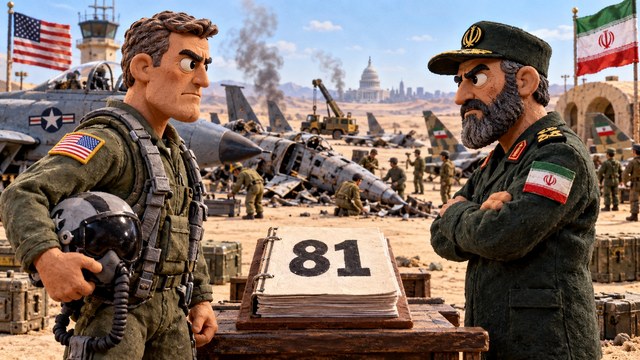
US researchers count 81 warplanes hit in Iran war
10 October 2026A congressional review finds 81 American aircraft destroyed or damaged in seven months of fighting, raising fresh questions about military readiness.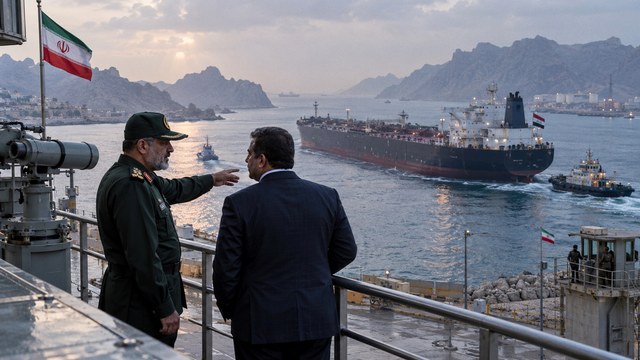
How Iran Built a Strait of Hormuz Tollgate
21 September 2026Tehran is turning wartime naval control into a permanent, fee-based transit regime for Gulf oil.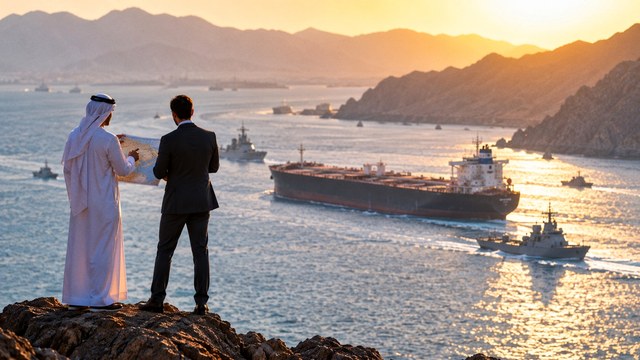
The Broken Hormuz Truce Reprices Oil
21 September 2026Tanker flows crawl at single digits as fragile naval escorts fail to tame coastal missile threats.U.S. Navy restarts blocked Hormuz oil corridor
20 September 2026Military convoys lifted oil and gas shipments to a six-month high, lowering crude prices even as commercial ships face high insurance costs.Qatar Prime Minister fails to unlock closed Hormuz
28 August 2026Tehran talks leave vital oil transit corridor blocked until Washington eases economic sanctionsTrump declares Hormuz cleared of mines as Iran standoff lingers
27 August 2026Washington says vital oil transit lanes are safe, but shippers demand proof and lower war-risk costs before returning.
US escort effort leaves Hormuz traffic 80% below normal
25 August 2026Ship crossings through the Middle East oil chokepoint have risen from their lows, but daily oil flows remain far beneath prewar levels.
U.S. assists about 1,300 vessels through Hormuz
23 August 2026U.S. forces are moving substantial oil traffic through the Strait of Hormuz, but shipping remains far below normal and Iran still threatens, restricts and selectively permits passage.
Iran blocks direct US talks over Hormuz
10 August 2026Iran is still negotiating shipping arrangements with Oman and exchanging messages with Washington through intermediaries.
Trump puts Hormuz first in Iran war exit
10 August 2026Washington is making the Strait of Hormuz its clearest near-term test for easing the Iran war, while Tehran is demanding broader U.S. concessions before restoring normal shipping.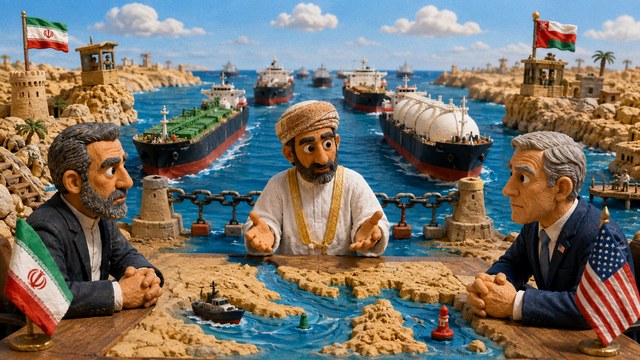
Iran Keeps Hormuz Closed Pending U.S. Concessions
9 August 2026The Strait of Hormuz, the narrow entrance to the Persian Gulf, carried roughly one-fifth of global oil and gas shipments before the current war.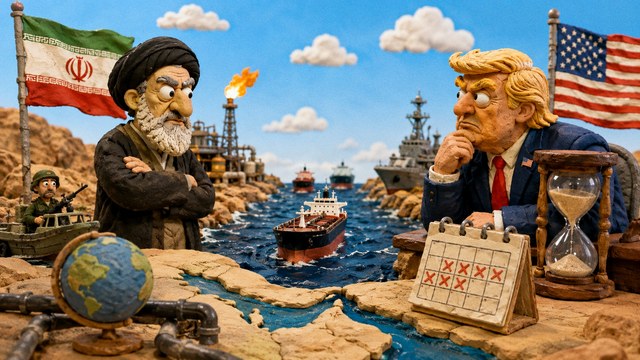
Trump’s Hormuz Reopening Deadline Passes Without Deal
7 August 2026Iran and Oman are close to a temporary shipping plan for the Strait of Hormuz, but key terms remain unsettled and traffic through the vital energy route is still far below normal.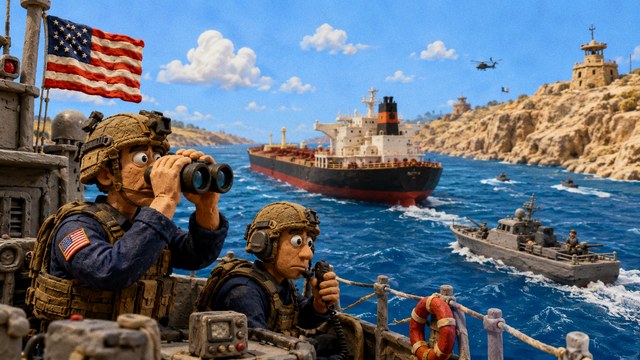
U.S. Central Command Counts 1,000 Hormuz Crossings Amid Danger
7 August 2026U.S. forces have kept ships moving through Hormuz, but the route near Oman remains exposed to mines, missiles and attacks.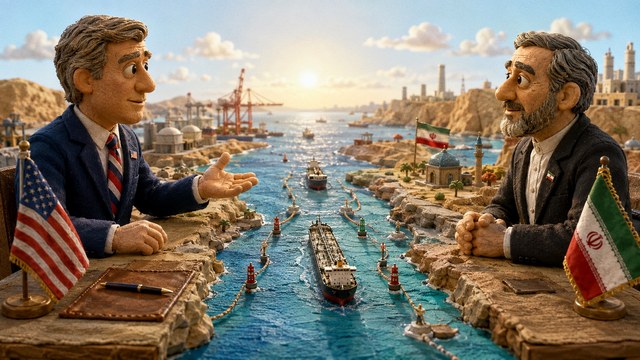
Iran denies U.S. talks and limits Hormuz plan
4 August 2026Trump promised Monday negotiations after withholding a major attack, but Iran says no U.S. meeting is planned.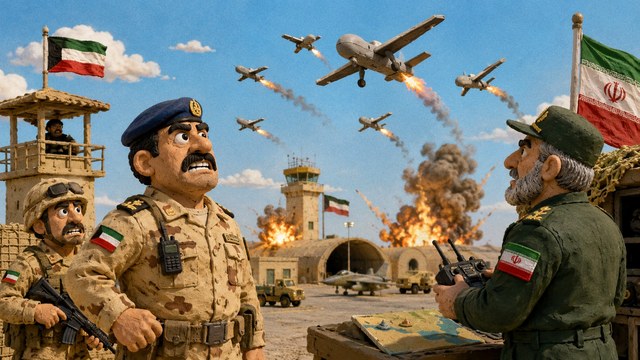
Iran attacks Kuwait with explosive drones
3 August 2026Iran’s regular army said it sent explosive drones toward Ahmad Al-Jaber Air Base on July 31; Kuwait said it destroyed the drones and reported no casualties.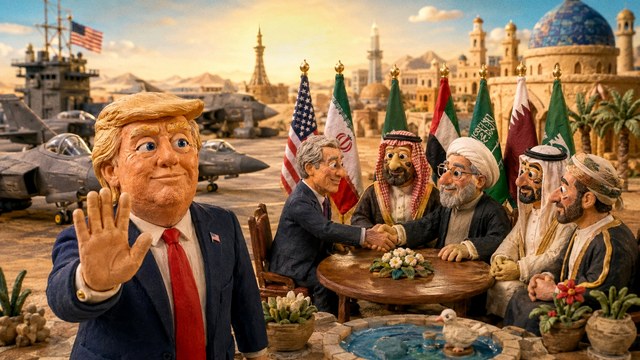
Trump Pauses Iran Strikes Without a Final Deal
2 August 2026President Donald Trump cancelled planned United States strikes after Iran and regional governments sought more time, but no agreement has been completed.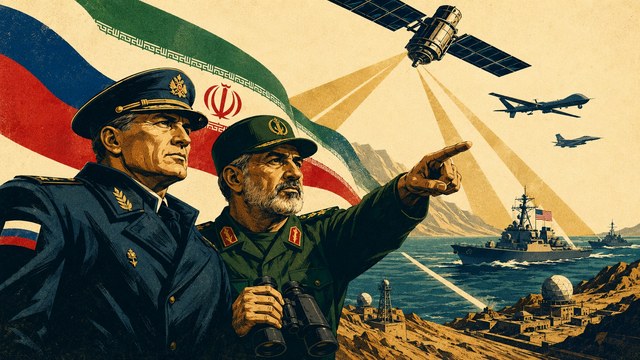
Russia Accused of Helping Iran Target U.S. Forces
1 August 2026U.S., European and Ukrainian sources say Moscow supplies locations, satellite images and military-signal intelligence, but public evidence does not show Russia choosing attacks.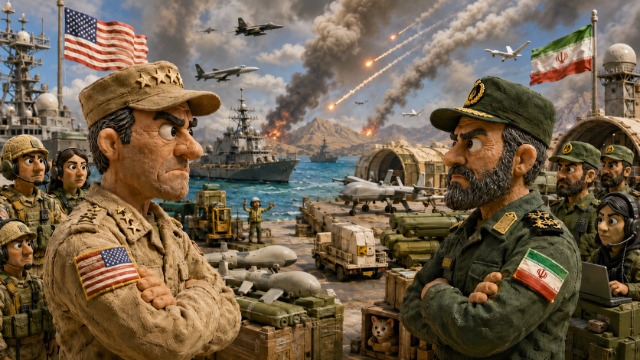
U.S. Strikes Iran Again as Death Toll Rises
25 July 2026An eleventh night of U.S. attacks widened the campaign as new military deaths and unverified damage claims clouded its impact.
How it unfolded
A joint offensive opens an eight-month war
The conflict began eight months earlier when American and Israeli forces launched coordinated air strikes on Iranian military command posts, airfields and missile sites. The initial campaign quickly spread into surrounding sea lanes, pulling global transport into the line of fire.
War shifts to the world's primary energy bottleneck
Neither side gained an immediate conclusion, turning the war into a battle of economic endurance around the Strait of Hormuz. Because alternative overland pipelines cannot carry all Gulf oil, Iran's threats to cargo traffic gave it powerful leverage against an American naval blockade. Early summer talks in Switzerland sponsored by Qatar and Pakistan set up communication channels to avoid accidental clashes, but they failed to secure sea routes.
Broken promises and rising maritime danger
Disruption spread across international energy markets as oil flows dropped sharply through the strait. In September, American forces destroyed several Iranian fuel tankers and military radar posts after attacks on warships. Facing upcoming congressional elections, President Trump publicly pledged on October 8 that American forces would not strike Iran before voters went to the polls. Yet commercial vessels continued to take fire, creating unstable conditions for another military spark.
A diplomatic opening collides with military force
Mediators made a sudden push for peace as Iranian officials offered to compress their settlement proposal into a rapid two-day process. Iran offered to reopen the strait if Washington lifted its naval blockade and petroleum sanctions first. American leaders publicly voiced hope for a deal, and Chinese diplomats held talks in Beijing urging a settlement. Yet Washington remained unwilling to lift sanctions before settling its nuclear demands, leaving the diplomatic opening fragile.
Explosions shake Qeshm Island on election eve
Diplomatic discussions paused abruptly on the eve of the American midterm elections when explosions shook Qeshm Island. News reports soon attributed the blasts to American aircraft targeting Iranian missile sites. American officials described the mission as a necessary defensive move to eliminate threats against aircraft and ships, breaking the public commitment to pause strikes while voting took place.
Washington confirms the raid as mediators pause
President Trump confirmed that American forces had struck a newly constructed Iranian air-defense installation on Qeshm Island, describing the operation as a minor defensive hit rather than a widened war. In Tehran, political leaders issued warnings of retaliation while reiterating that diplomacy remained their preference. Oil prices dipped slightly as traders weighed the strike against continuing diplomatic efforts, leaving the region in a tense pause.
Where things stand
The strike on Qeshm Island is confirmed by both governments, but the extent of physical damage and human casualties remains unverified. No public military assessment has been released to confirm whether the targeted Iranian air-defense facility was disabled. Contested claims about downed American drones and earlier damage to civilian boats also lack independent verification.
The future of the conflict turns on whether Iran chooses to retaliate or continues indirect talks through Qatar. Iranian leaders maintain that maritime traffic cannot resume until American sanctions and naval blockades end. Observers are watching for formal responses to Qatar's proposals, cargo tanker movement through the strait and any signs of expanded military operations.
Sources
- Chinese Foreign Ministry, Wang Yi meeting with Iranian security official Ali Bagheri Kani
- Chinese Foreign Ministry, Wang Yi meeting with Saudi national security adviser
- IRNA English, original report of five Qeshm explosions, referenced through contemporaneous reporting; direct X retrieval unavailable
- IRNA English, original report of aircraft spotted above Qeshm, referenced through contemporaneous reporting; direct X retrieval unavailable
- ABC News, Luis Martinez, independent American-official confirmation and disputed drone claims
- Washington Post, Dan Lamothe, limited strikes and undisclosed operations