We checked this claim: is it true that
the United States ordered diplomatic personnel and families across all Persian Gulf embassies to leave over regional conflict risks?
Washington issued mandatory departure orders on October 21 strictly for missions in Saudi Arabia, leaving other Gulf posts operating normally
State Department pulls staff from Saudi Arabia
Washington orders non-emergency personnel and families to leave Saudi missions as cross-border strikes intensify.
The story continues
Iran claims shootdown of US drone over Hormuz
4 November 2026Tehran says it destroyed an American surveillance aircraft, but Washington has not confirmed any loss.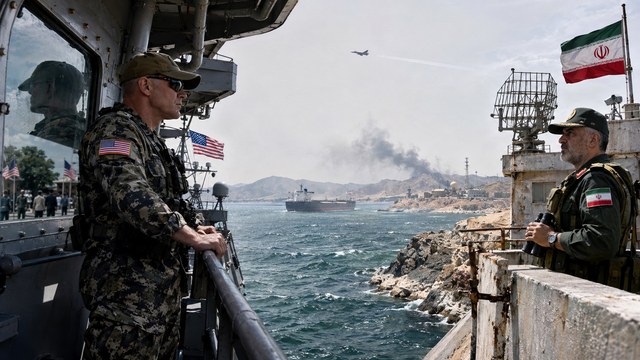
Trump strikes Iranian island imperiling energy talks
3 November 2026American forces bombed an Iranian military site on Qeshm Island on November 2, 2026, risking delicate negotiations over oil shipments hours before United States voting began.Iran claims shootdown of US drone risks Hormuz shipping
31 October 2026Tehran asserts it downed an American MQ-1 and captured two decoys as Washington dismisses the airframe losses.Trump warns of post-election Iran strikes
31 October 2026Washington resists claims of a fast pre-election pact as Gulf partners prepare for potential military action.Trump weighs Iran military strike plans
30 October 2026Top defense officials presented the president with strike blueprints while the Pentagon rushed heavy aircraft to Israeli air bases.US evacuates Gulf diplomats over Iranian plots
25 October 2026Intelligence alerts of advanced assassination efforts trigger emergency departures across Saudi Arabia and regional mission drawdowns.
In a nutshell
The United States ordered non-emergency diplomats and their families to leave Saudi Arabia immediately following a wave of Houthi missile and drone attacks on civilian airports and infrastructure, including strikes in Riyadh. Although online reports pointed to a broader regional pullout, the State Department clarified that mandatory departures remain strictly confined to Saudi posts while other Gulf missions maintain normal operations.
Highlights
- Washington ordered non-emergency diplomatic staff and dependents to leave Saudi Arabia immediately.
- Cross-border strikes launched from Yemen by the Iran-aligned Houthi movement struck Saudi civilian airports and sites in Riyadh.
- The State Department officially denied rumors of an across-the-board evacuation covering multiple Persian Gulf states.
- Active departures cover personnel stationed at U.S. missions in Riyadh, Jeddah, and Dhahran.
From the Editor’s Diary
Diplomatic drawdowns serve as clear gauges of physical risk, revealing where hostile fire has made routine civilian presence indefensible even as governments work to prevent regional escalation.
Who's involved
U.S. Department of State
the foreign affairs executive agency of the United States federal government
goal → shield non-emergency personnel and their families from hostile incoming strikes
Tommy Pigott
official spokesperson for the United States Department of State
goal → state official policy boundaries and stamp out inaccurate claims of a region-wide evacuation
Houthi Movement (Ansar Allah)
an Iran-aligned armed political movement based in Yemen
goal → pressure regional opponents by firing projectiles into civilian airports and critical infrastructure
Kingdom of Saudi Arabia
host nation for U.S. diplomatic missions in Riyadh and regional consulates
goal → protect national skies, critical civilian transit hubs, and foreign delegations
In short
American diplomats and their families in Saudi Arabia face immediate evacuation orders as cross-border missile and drone strikes hit civilian targets, marking a sharp deterioration in regional security.
This drawdown makes an escalation in regional defensive alerts and potential military retaliation far more likely in the coming days.
Whether the crisis expands across the wider Persian Gulf remains uncertain, hinging on whether cross-border projectile strikes begin hitting neighboring states or remain contained within Saudi borders.
Previously in this story

US researchers count 81 warplanes hit in Iran war
10 October 2026A congressional review finds 81 American aircraft destroyed or damaged in seven months of fighting, raising fresh questions about military readiness.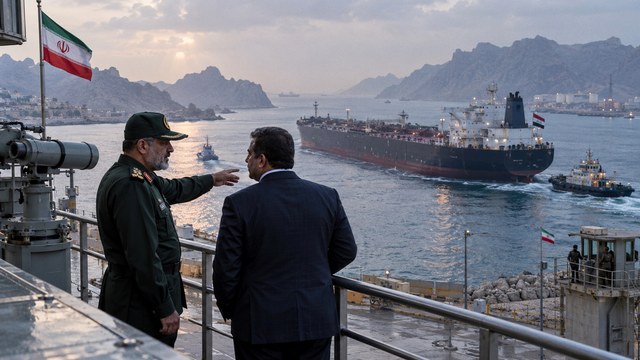
How Iran Built a Strait of Hormuz Tollgate
21 September 2026Tehran is turning wartime naval control into a permanent, fee-based transit regime for Gulf oil.
The Broken Hormuz Truce Reprices Oil
21 September 2026Tanker flows crawl at single digits as fragile naval escorts fail to tame coastal missile threats.U.S. Navy restarts blocked Hormuz oil corridor
20 September 2026Military convoys lifted oil and gas shipments to a six-month high, lowering crude prices even as commercial ships face high insurance costs.Qatar Prime Minister fails to unlock closed Hormuz
28 August 2026Tehran talks leave vital oil transit corridor blocked until Washington eases economic sanctionsTrump declares Hormuz cleared of mines as Iran standoff lingers
27 August 2026Washington says vital oil transit lanes are safe, but shippers demand proof and lower war-risk costs before returning.
US escort effort leaves Hormuz traffic 80% below normal
25 August 2026Ship crossings through the Middle East oil chokepoint have risen from their lows, but daily oil flows remain far beneath prewar levels.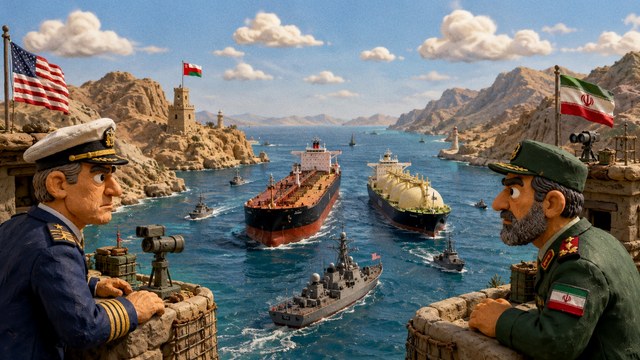
U.S. assists about 1,300 vessels through Hormuz
23 August 2026U.S. forces are moving substantial oil traffic through the Strait of Hormuz, but shipping remains far below normal and Iran still threatens, restricts and selectively permits passage.
Iran blocks direct US talks over Hormuz
10 August 2026Iran is still negotiating shipping arrangements with Oman and exchanging messages with Washington through intermediaries.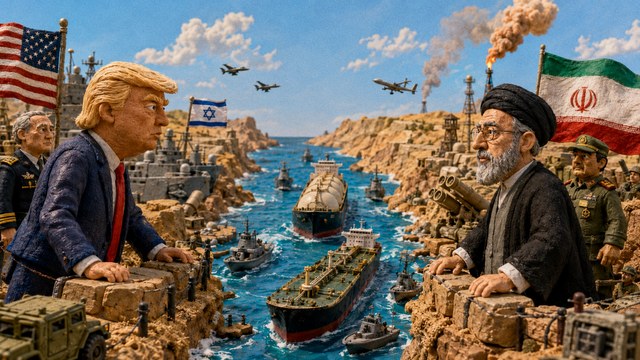
Trump puts Hormuz first in Iran war exit
10 August 2026Washington is making the Strait of Hormuz its clearest near-term test for easing the Iran war, while Tehran is demanding broader U.S. concessions before restoring normal shipping.
Iran Keeps Hormuz Closed Pending U.S. Concessions
9 August 2026The Strait of Hormuz, the narrow entrance to the Persian Gulf, carried roughly one-fifth of global oil and gas shipments before the current war.
Trump’s Hormuz Reopening Deadline Passes Without Deal
7 August 2026Iran and Oman are close to a temporary shipping plan for the Strait of Hormuz, but key terms remain unsettled and traffic through the vital energy route is still far below normal.
U.S. Central Command Counts 1,000 Hormuz Crossings Amid Danger
7 August 2026U.S. forces have kept ships moving through Hormuz, but the route near Oman remains exposed to mines, missiles and attacks.
Iran denies U.S. talks and limits Hormuz plan
4 August 2026Trump promised Monday negotiations after withholding a major attack, but Iran says no U.S. meeting is planned.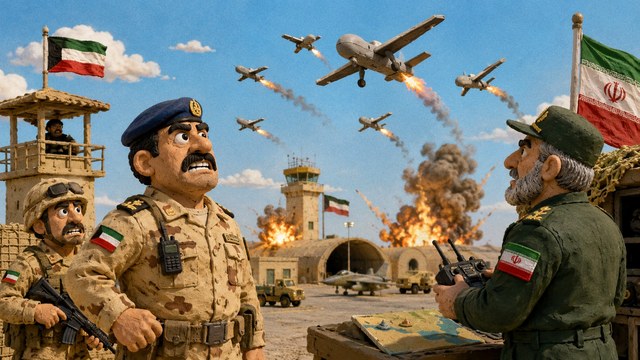
Iran attacks Kuwait with explosive drones
3 August 2026Iran’s regular army said it sent explosive drones toward Ahmad Al-Jaber Air Base on July 31; Kuwait said it destroyed the drones and reported no casualties.
Trump Pauses Iran Strikes Without a Final Deal
2 August 2026President Donald Trump cancelled planned United States strikes after Iran and regional governments sought more time, but no agreement has been completed.
Russia Accused of Helping Iran Target U.S. Forces
1 August 2026U.S., European and Ukrainian sources say Moscow supplies locations, satellite images and military-signal intelligence, but public evidence does not show Russia choosing attacks.
U.S. Strikes Iran Again as Death Toll Rises
25 July 2026An eleventh night of U.S. attacks widened the campaign as new military deaths and unverified damage claims clouded its impact.
How it unfolded
Leaks spark fears of regional diplomatic pullout
Unverified leaks circulating through news wires and social media claimed that Washington was preparing to evacuate staff from diplomatic facilities across multiple Persian Gulf nations.
Washington confines evacuation order to Saudi posts
Within hours of the unverified reports, the State Department established clear boundaries for its decision. Spokesperson Tommy Pigott announced that mandatory departures applied solely to non-essential personnel and families in Saudi Arabia, pointing to direct threats from Houthi drone and missile strikes on domestic civilian hubs while dismissing claims of a wider Gulf evacuation.
Where things stand
The ordered evacuation remains in effect as officials arrange transit out of missions in Riyadh, Jeddah, and Dhahran for eligible staff and dependents. American embassies in other Gulf capitals continue standard operations under elevated security watches.
Future risk turns on whether cross-border projectile strikes spread into neighboring Gulf countries, whether Washington widens evacuation directives, and whether allied forces respond with military action.