We analyzed this claim: is it true that
Nobel recognition has turned into a direct platform for public advocacy, with Navi Pillay challenging American sanctions while economic policymakers cite the influence of honored researchers?
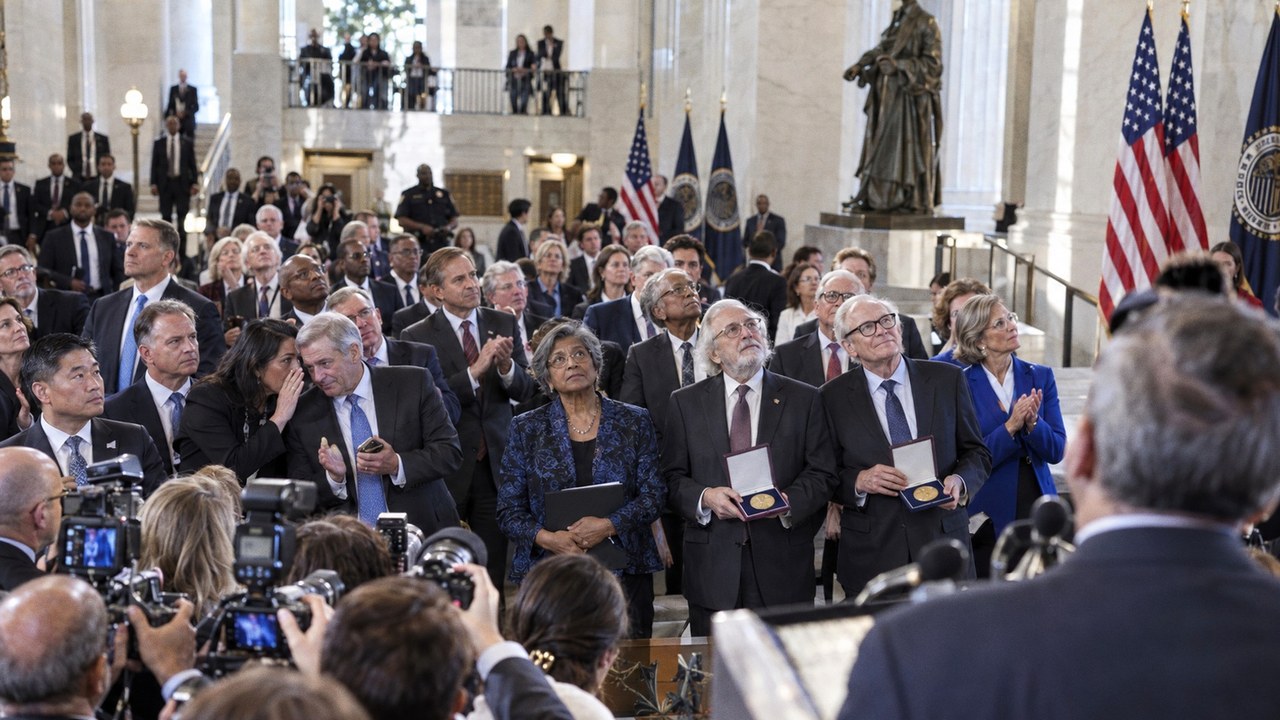
Navi Pillay confronted Washington over court penalties and pledged to target wartime sexual violence, while the New York Fed acknowledged its laureates, yet neither action has shifted American policy or reversed sanctions
Pillay Confronts Washington as Nobel Spotlights Global Justice
Navi Pillay uses her new Peace Prize to challenge American penalties against the world criminal court.
The story continues

Nobel Laureates Face Choices Between Duty and Global Acclaim
15 October 2026Sudden Nobel fame instantly tests whether personal work yields to public pressure.
Nobel Winners Turn Global Spotlight Into Urgent Demands
15 October 2026Freshly honored laureates press world leaders on wartime justice and economic stability.
In a nutshell
South African judge Navi Pillay turned her 2026 Nobel Peace Prize into an immediate public defense of the International Criminal Court, urging Washington to lift punitive financial measures. While the award amplified her call to protect judicial independence and target wartime sexual violence, the United States kept its penalties in place, proving that global prestige alone cannot overturn national policy.
Highlights
- The United States placed economic sanctions on the International Criminal Court on October 9, hours after Pillay won the Nobel Peace Prize.
- Pillay conducted a solidarity visit with court staff in The Hague on October 12 to offer support against financial pressure.
- Federal Reserve Bank of New York President John Williams formally credited Nobel economists Hall and Woodford with shaping central-bank thinking.
- Washington maintains its restrictions on the court, leaving American policy unchanged despite the public Nobel appeal.
From the Editor’s Diary
A global honor provides an instant platform for advocacy, but moral authority cannot force a sovereign power to change its laws.
Who's involved
Navanethem "Navi" Pillay
South African human-rights jurist, former United Nations human-rights chief, former International Criminal Court judge and winner of the 2026 Nobel Peace Prize
goal → Defend international courts and expand prosecutions for wartime sexual violence
United States government
Administration of President Donald Trump, which placed economic penalties on the International Criminal Court
goal → Block the court from asserting authority over Americans and allies
International Criminal Court
Permanent international court in The Hague that prosecutes war crimes, genocide and crimes against humanity
goal → Protect its staff and maintain independent trials despite financial and travel limits
John C. Williams and the Federal Reserve Bank of New York
Regional chief and branch of the American central bank, which manages monetary policy and market stability
goal → Acknowledge the researchers whose theories guided the bank's work
Michael Woodford
Columbia University economist and co-winner of the 2026 economics prize
goal → Advance research on managing economic expectations and stabilizing financial systems
Robert E. Hall
Stanford University economist and co-winner of the 2026 economics prize
goal → Advance research on how household spending shapes broader economic swings
In short
A Nobel Prize gives individual voices a global microphone, but it does not change government policy on its own. South African jurist Navi Pillay used her award to challenge the United States over financial penalties it placed on the International Criminal Court, the permanent world tribunal that prosecutes war crimes. Washington has kept those measures in place, leaving international legal institutions under direct pressure.
The dispute makes clear that an official American shift remains unlikely in the short term, because the White House maintains that the court lacks jurisdiction over its citizens and allies. A reversal would require a formal policy retreat from Washington, which neither public appeals nor global honors have produced.
The contrast between international prestige and national power played out across diplomacy and economics. While Pillay sought to protect court staff in The Hague, Federal Reserve Bank of New York President John C. Williams noted that the new economics laureates, Robert E. Hall and Michael Woodford, helped shape central-bank policy. Both events show how Nobel honors grant public visibility, even when they do not alter official decisions.
Previously in this story
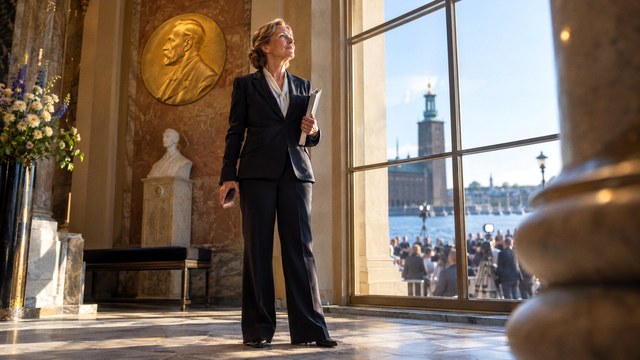
Nobel Prizes Turn Surprise Into Public Duty
12 October 2026Winning a Nobel Prize brings sudden global attention and immediate pressure to take a public stand.
Eight Nobel Laureates Step Into Instant Scrutiny
11 October 2026A sudden Swedish telephone call brings global attention and immediate duties.
How it unfolded
A Peace Prize collides with American sanctions
The confrontation began when the Norwegian Nobel Committee named Navi Pillay the 2026 Peace Prize winner for defending international law. Hours later, the United States imposed economic penalties on the International Criminal Court, answering the court's 2024 arrest warrants for Israeli leaders Benjamin Netanyahu and Yoav Gallant. Washington insisted the body had overstepped its authority, while supporters viewed the measures as an assault on legal independence. Three days later, Sweden awarded the economics prize to Hall and Woodford, whose models guide central banks.
Pillay Defines Her Next Mission as Central Bank Honors Economists
Pillay answered Washington directly in a Reuters interview from The Hague, urging the United States to restore its historic backing for human rights. She had visited court staff on October 12 to offer support against financial disruption, questioning whether Pillay's Nobel Prize can protect courts from geopolitical pressure. Drawing on her past work prosecuting the Rwandan genocide, she pledged to spend her post-judicial career pursuing wartime sexual violence, an offense she warned prosecutors still push aside. Pillay also noted that the small number of women laureates reflects persistent inequality.
Across the Atlantic, New York Fed President John Williams issued a statement detailing how Hall and Woodford influenced the central bank. Woodford had advised on interest-rate guidance, while Hall helped mentor Williams at Stanford. Yet in both law and economics, prestigious recognition proved distinct from official policy shifts.
Where things stand
As of October 14, 2026, the United States has made no move to lift its penalties against the court. Pillay's appeal and her solidarity visit remain personal efforts to rally global support, while Washington's financial restrictions stand unchanged. Whether the American government will reconsider its stance remains entirely unverified.
On the economic side, the Federal Reserve acknowledged intellectual debts to Hall and Woodford without announcing any new policies. Stanford confirmed Hall called the honor a wonderful surprise, but neither laureate has announced how they will direct their prize funds. Any practical shift in policy or penalties remains to be seen.