We analyzed this claim: is it true that
Bulgaria's cabinet approved rules ending inflation top-ups on upfront public building funds to shield state finances?
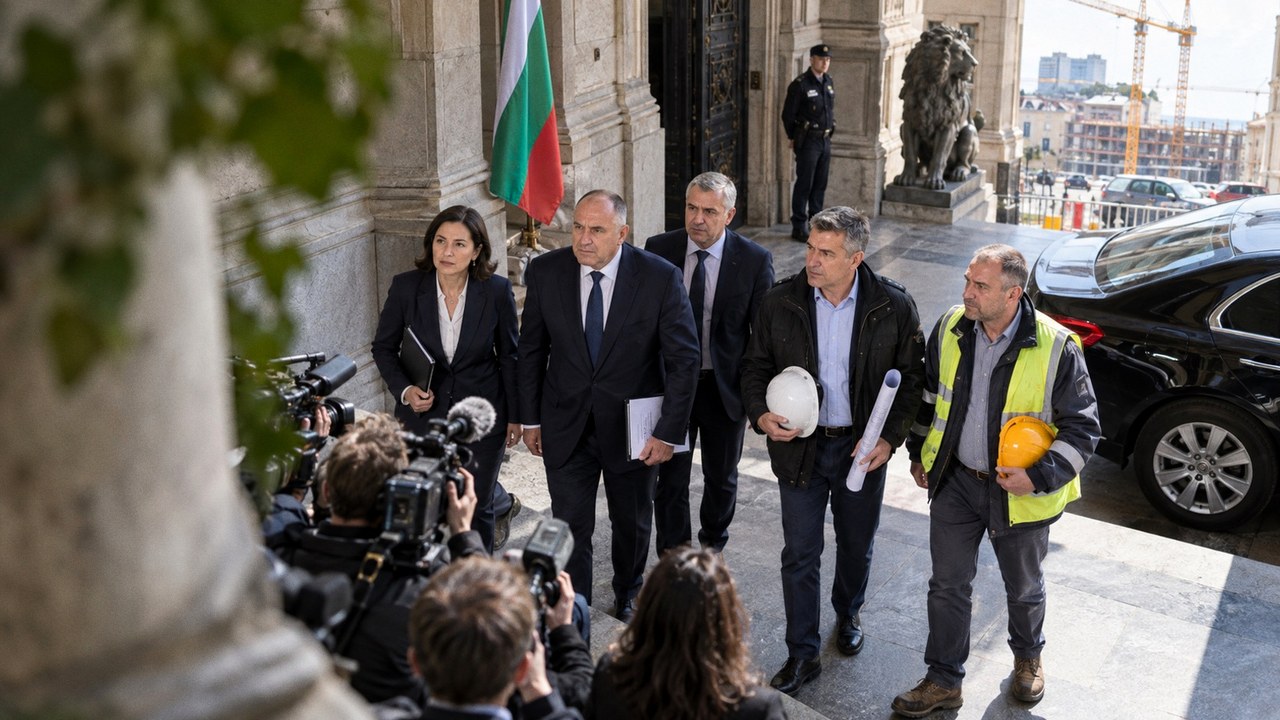
The cabinet approved rules on October 7, 2026, excluding advance payments from inflation adjustments, though the final text awaits official gazette publication.
Bulgaria bars inflation payouts on building advances
The cabinet changed procurement rules so state contractors no longer collect inflation top-ups on money received before work begins.
In a nutshell
Bulgaria has moved to protect its budget by ending inflation bonuses on upfront money handed out for public construction. The reform stops companies from claiming price-rise compensation on cash advances they received before doing the work, a practice the regional development minister warned could have cost the state about 632 million euros on stalled highways. While builders retain inflation coverage for active work, the clampdown forces contractors to exhaust old advances first, setting up tense negotiations and potential legal fights over key national building projects.
Highlights
- Bulgaria's cabinet approved changes on October 7, 2026, ending inflation adjustments on upfront construction advances.
- The regional development minister estimated the measure averts roughly 632 million euros in state compensation claims.
- Under the new plan, Hemus motorway builders must finish work covering old cash advances before getting new payments.
- The revised formula calculates inflation relief based on when work was done rather than when paperwork was approved.
From the Editor’s Diary
When governments pay builders years before ground is broken, treating those cash piles as ordinary expenses creates budget liabilities that take years of legal friction to unwind.
Who's involved
Bulgaria's Council of Ministers
The national government cabinet that sets public spending rules
goal → Halt unjustified state payouts while keeping national infrastructure projects moving forward
Ivan Shishkov and the Ministry of Regional Development and Public Works
The regional minister and department in charge of major roads and public construction
goal → Remove upfront payments from price adjustments and renegotiate stalled road deals
Rosen Zhelyazkov's former government
The prior cabinet that altered price-adjustment formulas in late 2025
goal → Give equal compensation to all builders regardless of their upfront financing terms
Bulgarian Construction Chamber (Камара на строителите в България)
The official industry trade group representing domestic construction companies
goal → Shield builders from rising costs, ensure predictable contracts, and prevent work stoppages
Public construction contractors, including companies working on the Hemus motorway
Private firms hired to build state roads and buildings, often using early cash advances
goal → Keep contracted funding, recover genuine inflationary cost increases, and protect project cash flow
Public contracting authorities and infrastructure agencies
State bodies that hire, monitor, and pay commercial construction contractors
goal → Apply standard payment formulas, control public budgets, and complete public infrastructure
In short
Bulgarian taxpayers will no longer pay inflation bonuses to builders on upfront state funds. The cabinet decided on October 7, 2026, that when building costs rise, companies can only claim inflation adjustments on work they finance as they go, not on advance payments already sitting in their accounts.
The decision makes disputes and project delays likely as builders contest the new terms.
Whether builders will accept the plan or stall major road projects remains uncertain until the final decree is published and contract talks conclude.
How it unfolded
Bulgaria sets up inflation relief for public building deals
When materials costs surged in 2022, Bulgaria created a legal system under Decree No. 290 to help state contractors survive price spikes. The formula let builders adjust contract values so public projects would not collapse under inflation. Over time, successive cabinets modified the math, leading to a May 2026 proposal to end inflation adjustments on advance payments.
A winter rule change expands contractor compensation
In late 2025, the previous administration revised the formula through Decree No. 281. Under the older rules, deducting advance payments lowered the inflation relief a builder could collect. The December revision eliminated that deduction, allowing builders to claim inflation top-ups on the total value of completed work even if the state had already advanced them cash.
A new cabinet moves to reverse advance indexation
A incoming administration moved to scrap the December rules in May 2026. The regional development ministry published draft rules deducting upfront money before calculating inflation relief and tying adjustments to when work occurred rather than when paperwork was signed. The proposal entered public consultations as builders warned of cash-flow problems and legal complications.
The rule debate turns into a multimillion-euro clash
Minister Ivan Shishkov took the dispute to the public, focusing on the unbuilt Hemus motorway where contractors held massive early advances for unready terrain. Shishkov estimated that applying inflation adjustments to those old advances across several road ventures could cost state coffers 1.237 billion leva, or roughly 632 million euros. Builders pushed back, demanding fair protection against rising material prices.
Cabinet approves the cut as Hemus road talks begin
The ministry reviewed public feedback on October 5, and the cabinet approved the revised rules two days later. The decision strips advances from inflation relief and penalizes contractor delays. Facing lawmakers, Shishkov stated that motorway builders must finish work equal to the advances they already hold before receiving fresh state funds, with remaining balances potentially paid out over five years.
Where things stand
As of October 8, 2026, the cabinet's decision is confirmed by official government statements, though the final numbered decree has not yet appeared in the State Gazette. The rules do not eliminate all inflation adjustments; contractors can still claim relief on eligible work, but upfront money will be deducted from those calculations. The regional minister's estimate of roughly 632 million euros in avoided payouts remains an unverified ministerial calculation rather than an audited figure. The next steps depend on the official text's gazetting, ongoing payment talks on the Hemus motorway, and potential court challenges from construction firms.