We analyzed this claim: is it true that
Donald Trump secured an immediate energy truce between Russia and Ukraine that will lower world fuel costs?
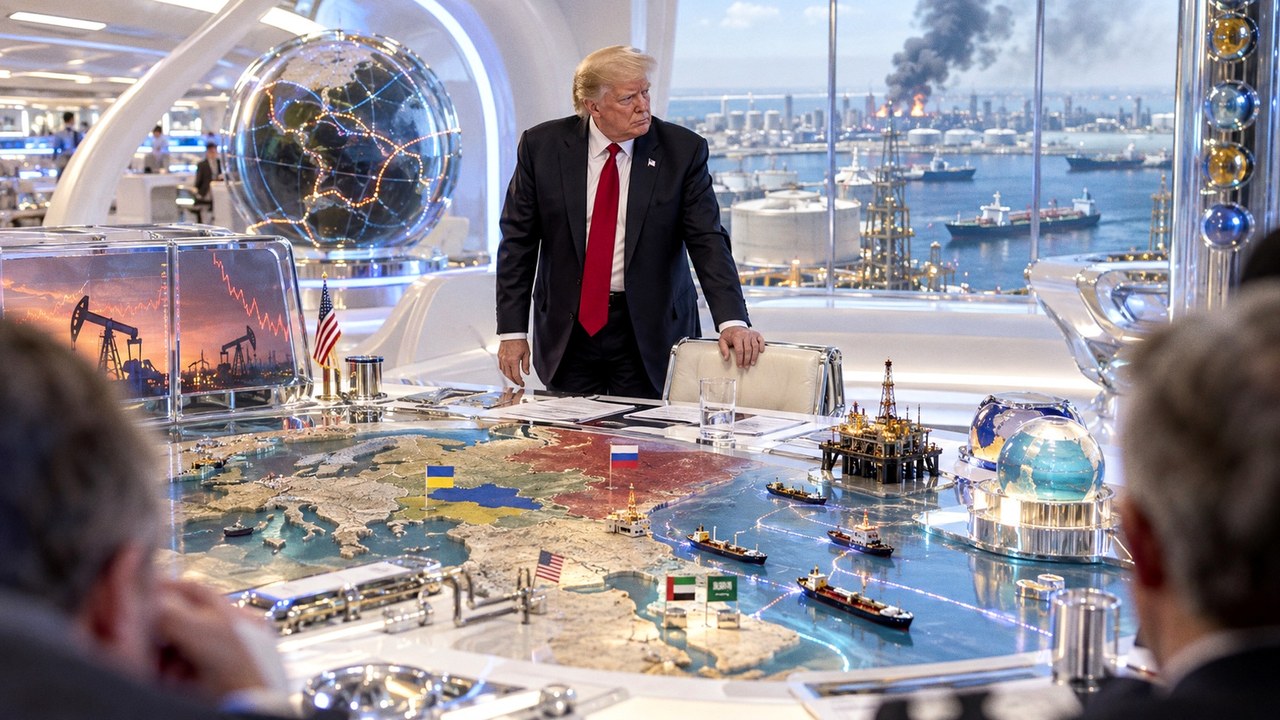
Donald Trump announced a halt to attacks on power sites, but Ukraine reported new strikes, Russia gave no public confirmation, and Middle East shipping attacks kept oil markets under strain.
Trump announces disputed Russia energy truce as crude tops $105
Hopes for cheaper fuel met fresh attacks on tankers and airports.
In a nutshell
The United States permitted purchases of Russian diesel and declared an immediate halt to strikes on power infrastructure in the Russia-Ukraine war, but the truce remains unconfirmed by both combatants as air strikes and Gulf tanker attacks continue. Wholesale diesel prices fell slightly on hopes of new fuel shipments, but international crude oil climbed above $105 a barrel because missile strikes threatened key Middle Eastern shipping routes. Until both warring capitals confirm the energy truce and ships carry fuel safely through the Persian Gulf, everyday energy costs are unlikely to see lasting relief.
Highlights
- The US Treasury issued General License 135 permitting trade in Russian-origin diesel until April 7, 2027.
- International crude benchmark Brent traded at $105.41 a barrel following strikes on Saudi airports and Gulf tankers.
- European wholesale gasoil futures dropped 4.3% to $1,419.50 a metric ton on hopes of Russian supply.
- Emergency fuel stockpiles held by International Energy Agency members had already provided 325 million barrels of oil.
Key energy market benchmarks on October 12
| Energy contract | Price |
|---|---|
| Brent crude per barrel | $105.41 |
| US West Texas Intermediate crude per barrel | $92.42 |
| European gasoil futures per metric ton | $1,419.50 |
- The table shows market prices for crude oil and refined diesel recorded by Reuters on the morning of October 12.
- These figures show that while refined diesel fell on hopes of Russian exports, crude oil remained expensive because of security threats in the Middle East.
From the Editor’s Diary
Financial markets react instantly when political leaders announce deals, but energy prices only stay lower when real fuel moves through pipes and tankers without coming under fire.
Who's involved
Donald Trump and the US administration
The American leadership seeking lower pump prices through trade licenses and diplomatic pressure
goal → Lower domestic diesel prices ahead of November congressional votes by securing Russian fuel and halting refinery strikes
Vladimir Putin and the Russian government
Russia's leadership directing military operations and managing state energy income
goal → Reopen overseas diesel sales and protect domestic refineries while keeping diplomatic freedom in the war
Volodymyr Zelenskyy and the Ukrainian government
Ukraine's leadership directing the national defense against Russia's invasion
goal → Guard domestic power plants against air strikes while keeping the right to strike Russian fuel plants without one-sided terms
Houthi movement
An armed group in Yemen aligned with Iran that conducts missile and drone strikes across the region
goal → Pressure Saudi Arabia by striking airports, transport links and commercial maritime routes
Saudi Arabia
The oil-rich Gulf nation whose commercial transport and aviation hubs face regional missile threats
goal → Shield civilian airports, ensure flight safety and keep energy exports moving freely through regional waters
International Energy Agency
An organization of consumer countries that monitors global oil security and coordinates emergency fuel reserves
goal → Prevent factory and trucking fuel shortages by speeding the distribution of national emergency diesel stocks
European Union
An alliance of European nations that supplies Ukraine and maintains economic sanctions on Moscow
goal → Keep economic pressure on the Russian military and ensure any ceasefire framework treats Ukraine fairly
United Kingdom Maritime Trade Operations
A British naval information service that shares safety alerts with merchant vessels
goal → Track hostile incidents at sea and warn commercial tankers away from dangerous waters
In short
Fuel markets remain caught between the promise of extra Russian supply and the threat of fresh supply cuts in the Middle East. Global fuel prices are most likely to stay unstable until oil tankers move safely and both sides of the war in Europe confirm a halt to attacks on refineries. That outcome is uncertain because neither Moscow nor Kyiv has endorsed the truce announced in Washington, while missile strikes on Gulf transit routes continue.
Traders had begun to lower the cost of diesel after the White House authorized companies to buy Russian fuel until April 2027. Yet crude oil prices stayed above $105 a barrel because armed attacks in the Middle East threatened tankers carrying oil through the Strait of Hormuz, a narrow sea passage vital to global trade.
Without a verified ceasefire, Russian refineries remain targets for Ukrainian drones, and Ukrainian power plants remain targets for Russian missiles. A lasting decline in everyday fuel costs cannot take hold until actual shipments leave Russian ports and safe passage returns to the Persian Gulf.
Flagged by: US Economy Barometer · 12 October 2026
Previously in this story
Putin freezes Ukraine talks over alleged strikes
26 September 2026Russian President Vladimir Putin cited strikes on Moscow and voting stations to freeze talks with Ukraine, according to unconfirmed online reports.Macron pushes Trump to curb energy strikes
22 September 2026France and the United States seek a shipping and grid truce without a signed deal.Ukraine halts Moscow oil refinery in mass raid
21 September 2026A major Ukrainian drone assault shut Moscow's main fuel plant and killed three people during Russian parliamentary voting.Trump demands Ukraine halt refinery strikes
20 September 2026Washington warns Ukrainian drone attacks on Russian fuel plants risk driving up consumer energy costs ahead of elections.
Trump asks Ukraine to halt refinery strikes
17 September 2026United States
How it unfolded
Russia extends limits on diesel exports
Global diesel markets tightened further when the Russian government kept its ban on fuel exports by refiners in place through October 31. The measure showed that Russia's own fuel supplies were running low after sustained refinery damage during the war. That underlying shortage set the stage for emergency fuel actions in Washington and later claims of a breakthrough deal with Moscow.
High pump prices prompt emergency fuel reviews
Rising diesel costs created growing financial pressure for commercial freight carriers, farmers and motorists across the United States. The White House issued an executive order asking federal agencies to see whether pausing diesel taxes and easing rules on agricultural fuel could lawfully bring down prices. Meanwhile, member nations of the International Energy Agency met to review their emergency fuel stockpiles, urging faster deliveries from their shared reserves to offset global shortfalls.
Washington permits transactions in Russian diesel
Donald Trump announced that a conversation with Vladimir Putin had unlocked immediate Russian diesel shipments of more than 300,000 metric tons, with larger volumes to follow in November. To allow the trade, the US Treasury issued General License 135, an official permit that lets companies buy and transport Russian diesel until April 2027. American diesel futures dropped nearly 5%, though Ukrainian officials and several lawmakers argued the decision would hand Moscow new cash during wartime.
Diplomatic pressure meets new violence in the Gulf
The White House pressed Ukraine to stop launching drone attacks against Russian fuel refineries and suggested a change in Kyiv's leadership. That diplomatic friction coincided with fresh conflict in the Middle East, where a missile strike claimed by Houthi forces hit the international airport in Riyadh, killing 13 people and injuring over 300. British monitors reported that an oil tanker caught fire after an attack in the Strait of Hormuz, reminding energy markets of the physical hazards facing marine oil transport.
A ceasefire is claimed while energy attacks continue
Donald Trump posted on social media that Russia and Ukraine had agreed to stop attacking each other's energy systems with immediate effect. Volodymyr Zelenskyy replied that he had not been told of any finished deal, though Ukraine would honor a pause if Russia did the same. Within hours, Ukrainian officials reported a new Russian missile strike on a power-and-heating plant in Kharkiv, while further projectile strikes shook Saudi airports and damaged commercial tankers near regional shipping lanes.
Energy markets divide as fighting continues
Energy trading reflected conflicting forces: European wholesale diesel contracts dropped 4.3% on hopes of Russian supply, while international crude benchmarks climbed above $105 a barrel because of Middle Eastern security risks. Ukraine told international allies that Russia was actively violating any truce, European officials reported no evidence that Russian bombardments had stopped, and the Kremlin declined to confirm any energy agreement.
Where things stand
As of midday on October 12, the only verified legal action is the US Treasury license allowing companies to buy Russian diesel. There is no verified, mutual or observed energy ceasefire between Russia and Ukraine. Russian strikes on Ukrainian power facilities have continued, and Moscow has issued no public statement agreeing to halt them.
Proof of real change will require official Russian terms, a confirmed pause in air attacks on both power grids, and customs records confirming that tankers are loading and delivering Russian fuel. Until tankers can safely navigate Gulf waters and refineries stop coming under fire, energy prices will remain vulnerable to sudden swings.