We analyzed this claim: is it true that
Nikkei futures jumped more than 1,000 points to approximately 70,948 during after-hours trading on October 6, 2026?

Verified exchange data shows the main December futures contract rose 810 points during regular trading to settle at 70,900, while the reported 1,000-point night surge and exact 70,948 price are unconfirmed and outside standard trade increments.
Tokyo stock rally slips below 70000
Japanese shares gave up a sharp advance driven by artificial intelligence optimism as interest rate and energy risks resurfaced.
The story continues
Nikkei sheds 3,318 points on US rate fears
20 October 2026Tokyo stocks suffered their third-largest point drop in history as hot US inflation figures and 100-dollar oil triggered an abrupt global selloff.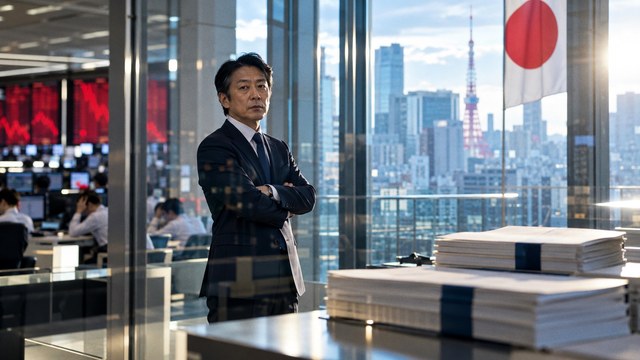
Japan draws record bond bids as stocks tumble
20 October 2026Strong demand for government debt eases borrowing fears while shares drop
In a nutshell
A short-lived rally carried Japan's stock market above 70,000 points on enthusiasm for artificial intelligence, before rising oil prices and bond yields erased the advance within three days.
Highlights
- The Nikkei 225 index climbed to 70,683.98 on October 6, closing above 70,000 for the first time since July 1.
- Osaka December Nikkei futures rose 810 points on October 6 to settle at 70,900.
- An online alert claiming futures surged to 70,948 after hours was unverified and did not match standard exchange pricing increments.
- By October 9, three days of selling dragged the Nikkei cash index down to 69,030.92 and futures to 69,470.
Osaka December Nikkei futures settlement
index pointsThe findingFutures peaked on October 6 before dropping below their starting level by the end of the week.
- Daily settlement prices for the December Nikkei futures contract across five consecutive trading sessions.
- Futures settlement — The official end-of-day price determined by the Osaka Exchange for contracts tied to Japan's main stock index
- Shows how quickly speculative enthusiasm for technology shares faded as broader economic worries returned.
From the Editor’s Diary
Sharp market rallies built on shifts in interest-rate hopes can evaporate just as fast when energy costs and borrowing yields resume their climb.
Who's involved
Japanese and international equity investors
Professional investment managers and funds buying and selling Japanese shares
goal → Earn returns from company growth while shielding portfolios from rising borrowing costs and fuel prices
Osaka Exchange and Japan Exchange Group
Japan's main financial marketplace for trading futures contracts
goal → Maintain orderly daily trading and publish official market settlement prices
Japanese semiconductor and AI-related companies
Manufacturers including Advantest and Tokyo Electron making equipment used to build computer chips
goal → Expand sales and earnings as worldwide spending on computing infrastructure increases
US technology companies
Major American tech firms such as Nvidia and Microsoft
goal → Deliver revenue growth that supports international investor confidence in artificial intelligence
Japan's Ministry of Finance
The government agency that issues Japanese sovereign bonds
goal → Fund public operations while preventing a damaging surge in government debt interest rates
GOLD_OIL
A social media market commentary account on X
goal → Share trading commentary and price alerts with online followers
Japanese Prime Minister Sanae Takaichi
Japan's head of government directing national economic policy
goal → Encourage economic expansion while calming investor anxiety over inflation and public debt
In short
A brief surge in Japanese technology shares has unraveled, showing that market optimism around artificial intelligence remains fragile when borrowing costs and oil prices climb.
The retreat makes choppy trading across global technology shares likely in the coming weeks as corporate earnings arrive.
Whether this cooling turns into a deeper slump is uncertain, resting on upcoming company profits and central bank rate choices.
How it unfolded
Weak US hiring fuels tech share gains
The advance began after the United States government reported soft monthly employment figures. The data suggested the US central bank was less likely to raise interest rates soon, easing financial pressure on high-growth technology companies. American technology shares advanced, lifting sentiment for Japanese computer chip equipment firms before Tokyo markets reopened.
Tokyo shares follow Wall Street higher
Japanese investors bought shares in semiconductor equipment makers when trading resumed on Monday. The benchmark Nikkei 225 climbed more than 1,600 points, while December futures rose 1,440 points. To reassure markets about government borrowing costs, Prime Minister Sanae Takaichi pledged to limit new bond issuance.
Futures climb before an online claim spreads
Japanese shares extended their gains during Tuesday's daytime trading. Stable demand at a government bond auction eased rate worries, helping the Nikkei top 70,000 points for the first time since July. December futures settled up 810 points at 70,900. After the market closed, a viral post claimed futures had jumped over 1,000 points to 70,948, but exchange records showed no such trade.
Investors take profits as world markets slip
Futures touched 71,070 in overnight trade, but buying quickly faded. By Wednesday afternoon, investors locked in recent profits and rotated out of technology shares. Broader market sentiment turned cautious as rising bond yields and oil supply risks weighed on international exchanges.
Energy fears and chip doubts erase market advance
Selling widened over the next two days as tensions involving Iran drove crude oil prices higher and bond yields remained elevated. Softer sales figures from Taiwan Semiconductor Manufacturing Company added to doubts about tech valuations. The Nikkei fell beneath 69,100, erasing the week's gains. Prime Minister Takaichi reiterated that the government would watch the yen and inflation closely.
Where things stand
Official exchange settlements confirm a sharp rally on October 5 and October 6, followed by a steady reversal through October 9. Osaka December Nikkei futures settled at 70,090 on Monday, 70,900 on Tuesday, 70,360 on Wednesday, 69,100 on Thursday and 69,470 on Friday. Tuesday's daily advance was 810 points, while the contract reached an intraday peak of 71,020.
The social media claim of an after-hours price of 70,948 was not verified. Standard Osaka contracts trade in five- or ten-point steps, making that exact figure an invalid trade price. Upcoming quarterly earnings from chipmakers, along with US inflation data, will shape the market's next path.
Sources
- Kabutan, Osaka Nikkei 225 December futures historical settlement data
- Investment Forest, Osaka Nikkei futures historical day-session quotations