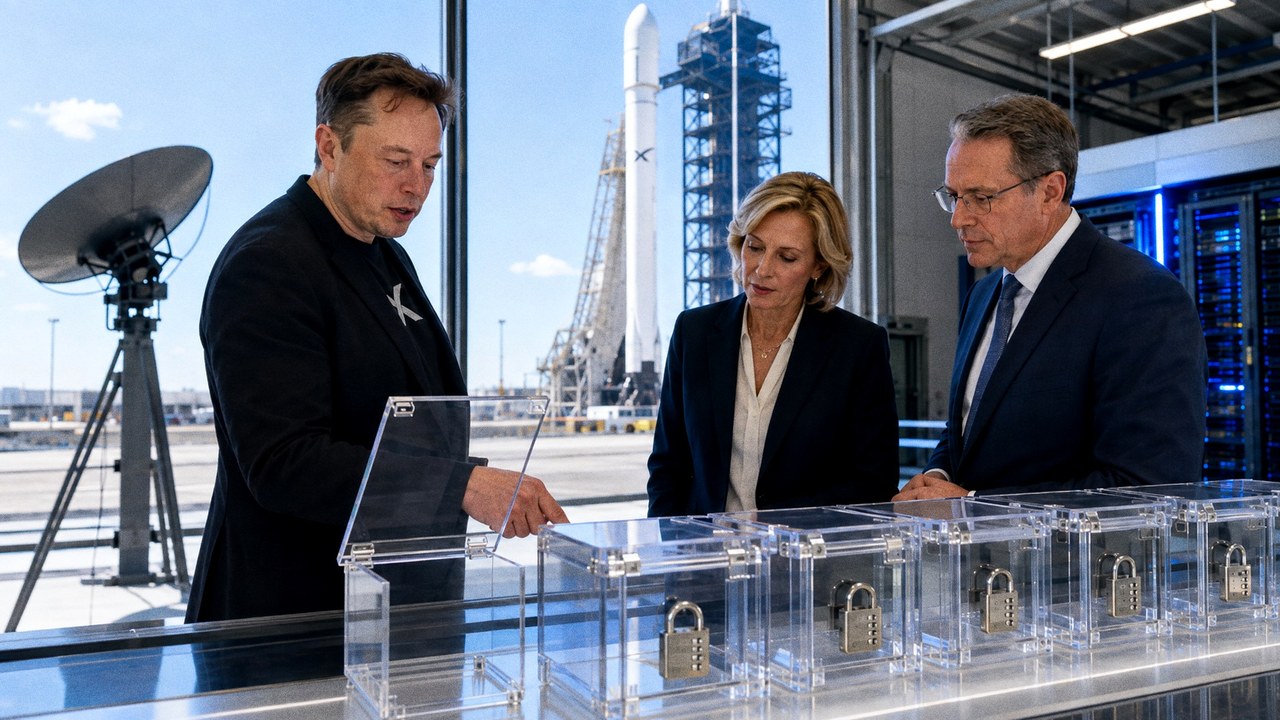
Up to 911.5 million SpaceX shares became eligible for trading on August 6, more than doubling the tradable float, but the often-quoted $100 billion is their changing market value, not an amount that holders are required or confirmed to have sold.
SpaceX Unlocks 911.5 Million Shares Without Forced Sales
SpaceX’s June IPO lets employees and some early investors sell up to 911.5 million shares from August 6, but becoming eligible to sell does not mean they sold.
The story continues
SpaceX gains 22.9% after first share unlock
10 August 2026Up to 911.5 million employee and early-investor shares became eligible for sale, but the stock rose as buyers absorbed what actually reached the market. Bigger releases are still ahead.
Who's involved
SpaceX
The publicly traded company combining its rocket and Starlink businesses with artificial-intelligence operations acquired through xAI
goal → wants to give shareholders liquidity in stages instead of creating one large six-month selling cliff while keeping support for its capital-intensive growth plans
Employees and early investors in the early-release pool
Pre-IPO shareholders whose stock was restricted from public trading after the June IPO
goal → can turn part of long-held paper gains into cash, diversify their wealth or keep holding for possible future gains
Public-market investors
Funds, traders and individuals buying and selling SpaceX on Nasdaq under ticker SPCX
goal → must decide what SpaceX is worth once substantially more stock can trade and scarcity matters less
IPO underwriters
The investment banks, led by firms including Goldman Sachs and Morgan Stanley, that arranged SpaceX’s record public offering and lock-up structure
goal → sought a more orderly market by spreading possible insider selling across several dates instead of one cliff
Elon Musk
SpaceX founder, chief executive and controlling shareholder, whose holdings have a separate long-duration lock-up
goal → wants to preserve control and pursue SpaceX’s long-term strategy; his stake is not part of the August 6 selling pool
SpaceX executive officers and extended-lockup investors
Senior insiders and selected shareholders whose shares follow longer lock-up schedules
goal → keep their stakes through later release dates instead of joining fully in the first employee-and-investor window
In short
SpaceX has sharply increased the amount of stock that can trade, reducing the scarcity that shaped its first weeks as a public company. Up to 911.5 million shares held mainly by employees and some early investors became eligible for sale on August 6, two trading days after the rocket, satellite-connectivity and artificial-intelligence company reported its first quarterly results since its June initial public offering, or IPO.
The likely next change is a broader market for SpaceX shares, with more buyers and sellers helping set the price. That could also bring short-term swings if many eligible holders sell. The outcome is still uncertain because no authoritative total showed by late August 6 how many of the 911.5 million shares had actually been sold.
The "$100 billion" figure is only the changing market value of the eligible shares. Reuters valued them near $123 billion on July 16 and Bloomberg as high as $116 billion on July 21. At SpaceX’s $108.27 August 5 close they were worth about $98.7 billion; at Reuters’ $115.20 intraday price on August 6, about $105 billion.
Previously in this story
SpaceX Revenue Hits $7.814 Billion as Cash Burns
4 August 2026SpaceX’s second-quarter revenue beat Bloomberg’s $6.81 billion consensus by about 15%, but its vast investment programme kept cash flow deeply negative.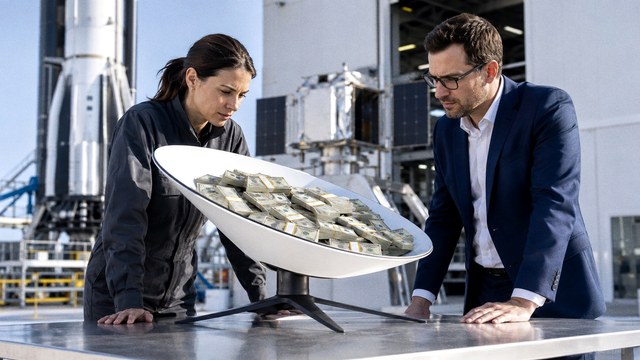
SpaceX faces first public earnings test August 4
3 August 2026Space Exploration Technologies Corp., better known as SpaceX, will release second-quarter 2026 results after United States markets close on Tuesday, August 4.
How it unfolded
SpaceX builds staggered selling rules into its IPO
The structure was set before SpaceX had a public share price. Its initial Form S-1, the filing describing an IPO to the U.S. Securities and Exchange Commission, was accepted on May 20. Reuters reported on May 22 that SpaceX planned staged releases, with as much as 20% becoming sellable after its first post-IPO quarterly earnings instead of keeping almost everyone behind the customary 180-day restriction. Important quantities and the exact early-eligible shareholder mix were still redacted, so the eventual "$100 billion" figure was not yet known.
SpaceX turns the formula into real money
The offering documents divided shareholders into three tracks. Musk received a 366-day lock-up. Portions held by select investors, officers and directors were put on a later schedule beginning after fourth-quarter 2026 earnings. "All other shares" entered the early-release schedule beginning after second-quarter earnings. The $135 IPO price also fixed the performance trigger: another 10% could unlock only if the shares reached 30% above that price, or $175.50, under the required trading-day test. After underwriters used their full overallotment option, the IPO itself had sold 638.9 million shares, making the later 911.5 million-share release unusually large beside the initial public supply.
The first release becomes a $100 billion story
By mid-July, the potential supply was measurable. Reuters reported on July 16 that rank-and-file employees and some early investors could sell as many as 911.5 million shares on the second trading day after SpaceX’s first quarterly report. They were then worth roughly $123 billion, more than the market value of the shares already freely trading. Another 455.8 million shares could have unlocked if SpaceX stayed above $175.50 for at least five of the ten trading days through earnings. SpaceX later set August 4 for its results, making August 6 the first release day. Bloomberg described the same 911.5 million-share ceiling as worth as much as $116 billion on July 21; the lower figure reflected the stock price, not fewer shares.
Earnings remove the chance of a larger unlock
SpaceX’s first earnings as a listed company showed about $7.8 billion of quarterly revenue and a $541 million net loss. Revenue beat expectations, but roughly $15.8 billion of AI-related capital spending was above Wall Street forecasts, and the shares fell about 7% after hours. They then dropped 13.6% to $108.27 in the next regular session. That left the stock nowhere near the $175.50 condition for the extra 10% tranche. Only the basic 20% release, up to 911.5 million shares, qualified for August 6. At the August 5 close, that pool was worth about $98.7 billion, showing why "$100 billion unlock" is shorthand rather than a fixed amount.
SpaceX unlocks shares without triggering an immediate selloff
On August 6, up to 911.5 million shares became legally eligible for sale, more than the entire 638.9 million-share IPO and enough to more than double freely tradable supply. Nobody had to sell. SpaceX fell as much as 2.9% before reversing; Reuters reported it up 6.4% at $115.20, while AP later reported a roughly 6.1% gain. The market cannot show the complete source of every trade, so that rebound does not prove insiders kept all their shares. It does show that the unlock itself did not cause an immediate $100 billion liquidation. What matters next is how much employees and early investors actually sell in later sessions and at future lock-up dates.
Where things stand
As of late August 6, the confirmed figure is up to 911.5 million newly eligible shares, not 911.5 million confirmed sales. Reuters puts SpaceX at roughly 13.6 billion shares outstanding, making this pool about 6.7% of the company and large enough to more than double the previously small public float. Investor’s Business Daily estimates that float at about 11.8%, up from 4.9%. The extra 455.8 million-share tranche did not qualify because SpaceX remained far below the required $175.50 price. Musk is still locked out of this window, while executive officers and portions held by selected investors and directors follow later schedules. Reuters identified Founders Fund, Craft Ventures, Valor Equity and Alphabet as historical early backers, but the reviewed public documents do not establish that each is in the August 6 pool.
The economic effect remains uncertain because actual selling is not yet known. More tradable shares should reduce scarcity and give more buyers and sellers a role in setting SpaceX’s price. But even part of the 911.5 million shares reaching the market could create short-term supply pressure and volatility. Reuters’ May analysis described the trade-off: staggered releases can avoid one giant cliff while spreading possible volatility across several dates. The August 6 rebound suggests the first release was at least partly expected and that demand initially absorbed whatever selling occurred. Trading volume, disclosed insider transactions and later scheduled releases will show whether the larger float brings steadier price discovery or a lasting supply overhang.