We checked this claim: is it true that
seven core OPEC+ members held their November crude output quotas unchanged at their October meeting?
a ministerial statement issued on October 4 confirmed that seven OPEC+ producers will freeze their September oil production quotas through November 2026
OPEC+ holds oil targets steady above $100
Seven major oil producers kept their November production limits unchanged as Middle East transit disruptions leave physical supply short of official paper targets.
The story continues
Iran sinks container ship as Gulf oil tops 106 dollars
15 October 2026A lethal missile strike on the commercial ship GFS Pride closed shipping lanes and drove up crude costs.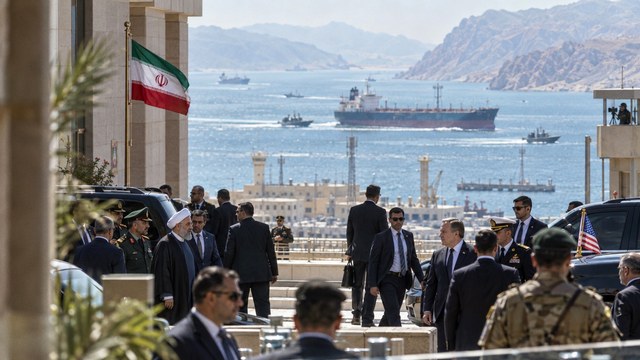
Iran pushes oil past 106 dollars with tanker strikes
14 October 2026Attacks on ships around the Strait of Hormuz threaten global fuel supplies and challenge American naval patrols.Houthis strike Saudi Aramco headquarters in Dhahran
14 October 2026Yemen's Iran-aligned movement hit an office tower at the world's top crude exporter, triggering retaliatory coalition airstrikes on Sanaa.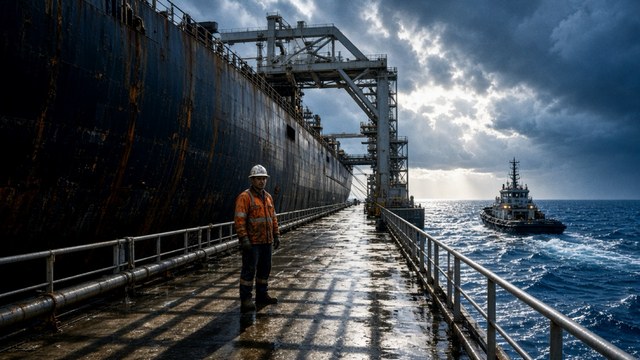
Shell and Chevron halt oil as crude tops $102
10 October 2026Oil prices jumped past $102 a barrel as Middle East shipping attacks and an American hurricane threatened global fuel supplies at the same time.
Yemen army counterattack pushes Houthis back from shipping lane
8 October 2026Government forces recovered towns along the Red Sea, but casualty numbers and mountain battles remain unconfirmed.
In a nutshell
Seven key OPEC+ producers froze their crude output quotas for November 2026, holding their collective target at approximately 31 million barrels per day. The decision formalizes an ongoing supply squeeze as the closure of the Strait of Hormuz keeps physical exports several million barrels below authorized paper ceilings and locks Brent crude above $100 per barrel.
Highlights
- Seven OPEC+ nations froze their joint November crude production ceiling at approximately 31 million barrels per day.
- Brent crude traded above $100 per barrel as the military closure of the Strait of Hormuz blocked physical oil transit.
- Official targets held Saudi Arabia's crude quota at 10.478 million barrels per day and Russia's at 9.949 million barrels per day.
- The alliance postponed its 2027 capacity assessment until mid-November due to conflict-related disruptions to Gulf field projects.
- Core ministers scheduled their next monthly production monitoring meeting for November 1, 2026.
Key OPEC+ member daily crude quotas for November 2026
million barrels per dayThe findingSaudi Arabia holds the group's highest individual target, edging Russia by approximately half a million barrels daily.
- Individual crude production allocations assigned to the alliance's two largest exporters for November 2026.
- Quota — An authorized production limit set by the OPEC+ exporter alliance for an individual member nation
- These headline ceilings establish authorized caps, but physical shipping blockades mean real tanker loadings remain far below them.
From the Editor’s Diary
When physical trade corridors close, official production agreements lose their power to steer prices: paper quotas cannot deliver oil that wartime geography has stranded at the wellhead.
Who's involved
OPEC+ Core Seven
Alliance of seven oil-producing nations that sets member export targets
goal → Protect crude revenues and maintain market stability while wartime choke points restrict deliveries
Saudi Arabia
The world's top crude exporter and de facto coordinator of the OPEC+ producer group
goal → Balance global supply commitments while rerouting crude through domestic bypass pipelines around Hormuz
Iran
Persian Gulf energy producer engaged in active military hostilities
goal → Maintain political and military leverage by keeping shipping lanes through the Strait of Hormuz shut
In short
Global oil supplies will stay artificially constrained into winter because the world's most powerful crude cartel refuses to add barrels while Middle East shipping routes remain blocked. Seven nations in OPEC+, an alliance of major oil-exporting countries led by Saudi Arabia and Russia, froze their joint production quotas on October 4, rolling their existing September target of roughly 31 million barrels per day straight through November.
The immediate outcome is that international crude prices are likely to stay above $100 per barrel. That outcome is near-certain for now because physical bottlenecks, rather than official paper quotas, dictate how much oil can actually reach world refineries.
A protracted conflict involving Iran and the United States has closed the Strait of Hormuz, the narrow Persian Gulf sea passage that carries a major share of international crude. With regional export pipelines and ports jammed or cut off, Gulf producers are pumping several million barrels per day below their official limits, leaving traders paying a wartime premium for actual shipments.
Flagged by: Global Markets Barometer · 6 October 2026
Previously in this story
OPEC leaves oil limits unchanged despite rumors
30 September 2026Official policy holds output flat into October as Middle East shipping recovers.Trump peace rejection pushes Brent oil past $106
29 September 2026Rebuff of Iranian offer to open Strait of Hormuz revives Gulf shipping risks and roils stock marketsUS risks fuel stockpile floor to lower pump prices
29 September 2026Washington is offering 40 million barrels of crude on loan even as federal emergency reserves hover at four-decade lows.Saudi Arabia restores crude exports to 80%
29 September 2026Saudi Aramco reopens its East-West pipeline to the Red Sea port of Yanbu after emergency repairs, easing regional shipping bottlenecks.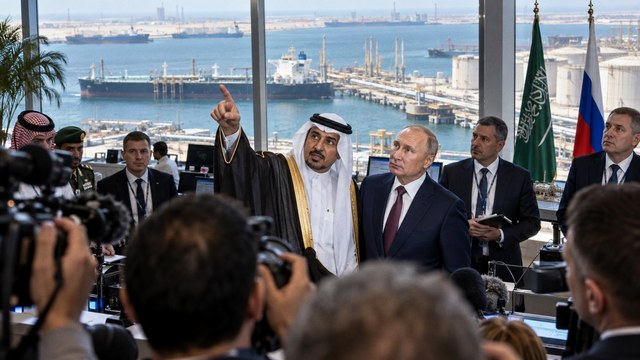
Saudi Arabia lifts oil flows past Hormuz
25 September 2026Emergency shipping routes pull crude prices back near 100 dollars despite ongoing attacks.
Houthis displace 917 families in western Yemen offensive
7 September 2026Government counterattacks pushed the fighters off one key mountain, but combat now stretches across a wider western front.Houthis push toward Red Sea as Yemen battles kill 60
5 September 2026Fierce fighting in southwestern Yemen leaves dozens dead as rebels press toward vital shipping lanes.
Hormuz Tanker Strikes Deepen Global Oil Flow Risks
31 August 2026Attacks on two supertankers carrying Saudi crude squeeze traffic through the world's most vital energy channel.Houthis widen Saudi energy attacks beyond Jazan refinery damage
21 August 2026Yemen's Iran-aligned movement claims new drone strikes on Najran airport and Aramco sites, expanding a campaign that has already crippled a 400,000-barrel-per-day refinery and disrupted Red Sea shipping.
Houthis delay Jazan refinery restart to August 30
11 August 2026Yemen's Iran-aligned Houthi movement says it struck Saudi Aramco's Jazan refinery with a drone on August 9, prolonging an outage at the 400,000-bpd plant on Saudi Arabia's southwestern Red Sea coast.
Iran War Lifts Brent 24% as U.S. Reserve Falls to 307.7 Million Barrels
1 August 2026Since the February 28, 2026 U.S.-Israeli attack on Iran, Brent has risen from about $73 to $90.74 and the U.S. emergency oil reserve has fallen to its lowest level since 1983.
How it unfolded
Core ministers convene virtual review
Months of severe maritime disruptions from the blocked Strait of Hormuz forced energy ministers from seven key OPEC+ nations into an emergency online session on October 4, where they officially rolled over their September output ceilings through November. Financial newswires and market monitors broke the news within minutes of midday.
Ministerial confirmation and market reaction
Producer communiqués published hours later confirmed the standstill across individual limits, capping Saudi Arabia's allocation at 10.478 million barrels per day and Russia's at 9.949 million barrels per day. The group also delayed a formal review of long-term production capacity until mid-November after conflict halted field expansion work across the Persian Gulf, leaving traders focused on actual transit bottlenecks rather than theoretical paper quotas.
Where things stand
Official communiqués have ratified the November quota freeze, preserving identical headline production targets across all seven participating member nations.
The decisive factor for global fuel markets remains physical transit rather than ministerial decrees: with the Strait of Hormuz shut, actual wellhead output trails agreed ceilings by several million barrels daily. Markets now await the rescheduled mid-November capacity review and the alliance's next scheduled policy session on November 1.