We analyzed this claim: is it true that
voters in fourteen Ohio municipalities approved bans on new commercial AI data center construction on November 3, 2026?
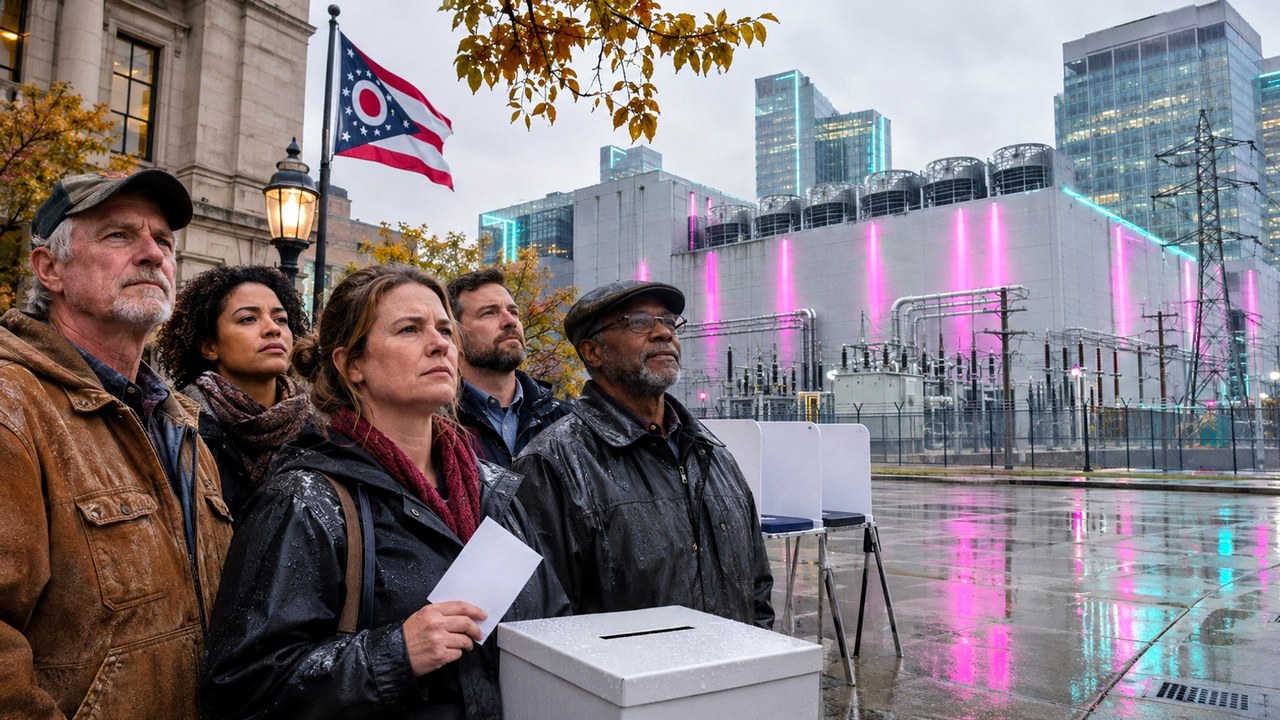
Ohio voters approved eleven construction prohibitions alongside several narrower zoning and approval limits, falling short of reported claims of fourteen outright bans.
Ohio voters halt eleven big computing hubs
Residents across eleven towns chose local electricity and water limits over artificial intelligence construction, setting up tests for unfinished projects.
The story continues
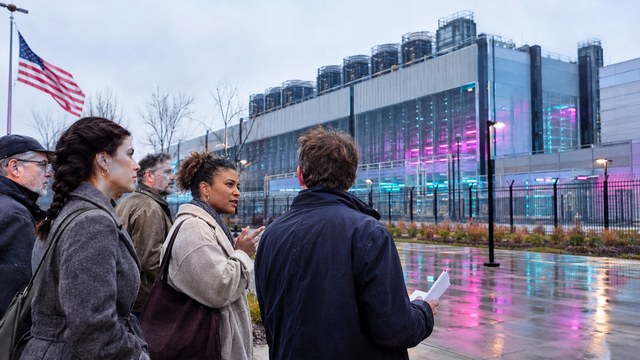
US voters curb data centers in 46 ballots
5 November 2026Communities demand tighter rules on large computing hubs
In a nutshell
Ohio voters delivered a coordinated blow to large artificial intelligence infrastructure by approving construction restrictions across eleven municipalities. Driven by worries over soaring electricity demand, water usage, and community character, residents rejected server warehouse expansion across 21 separate ballot measures. The focus now turns to county election certification and legal fights over whether developers with projects already underway can continue building.
Highlights
- Voters in eleven Ohio municipalities approved construction prohibitions against large computer server facilities.
- All 21 ballot questions across 18 jurisdictions favored tighter controls or rejected development plans.
- Most bans exempt smaller facilities and specifically target large sites needing more than 25 megawatts of electricity.
- Opposition groups spent over $400,000 trying to defeat the municipal ballot measures.
Municipal data center ballot outcomes
questionsThe findingProhibitions formed the majority of winning measures, but nearly half the outcomes created narrower controls or blocked specific proposals.
- The outcome of 21 data center questions decided across 18 Ohio jurisdictions on November 3.
- Construction prohibitions — City charter amendments that ban qualifying new data centers
- Regulatory controls — Measures adding voter approvals, financial guarantees, or township zoning
- Rejected development proposals — Votes defeating rezonings, preliminary contracts, or advisory support
- Distinguishing outright bans from narrower zoning rejections determines which projects face legal challenges.
From the Editor’s Diary
When digital infrastructure strains neighborhood power and water supplies, local voters will use municipal ballot boxes to set the boundary between technological growth and community resources.
Who's involved
Ohio voters and local petition committees
Residents of cities, villages and townships that placed data center questions on their ballots
goal → Stop unwanted building, protect local utilities, and keep control over neighborhood land
Conserve Ohio and attorney Nick Owens
Ohio advocacy organization and lawyer who helped local communities advance charter amendments
goal → Expand local building bans and secure a statewide one-year construction pause
Data center developers including Prologis, Meta and EdgeConneX
Companies developing or proposing large computing campuses in affected Ohio communities
goal → Protect current projects, keep local building approvals, and safeguard planned returns
Ohio municipal governments
City and village administrations responsible for implementing the new rules and handling development applications
goal → Enforce election tallies while balancing town authority against developer lawsuits
Vantage Data Centers and allied development supporters
Data center company and campaign allies that financed opposition to an Oregon construction restriction
goal → Protect investment opportunities and build large computing facilities in the state
Ohio county boards of elections and Secretary of State Frank LaRose
Officials responsible for counting, reviewing and certifying Ohio election results
goal → Review outstanding ballots and certify final vote tallies within legal deadlines
In short
Local communities in Ohio have drawn a line across the artificial intelligence boom, voting to block large server hubs that pull heavily on neighborhood power grids and water systems. These server warehouses store and run digital software, and towns had grown worried about utility bills, noise, and open land.
The votes make court challenges and permit reviews likely next, as companies test whether current construction can legally continue.
How those disputes end is too early to tell, because judges and municipal lawyers must decide whether ground already broken protects a project from new voter rules.
Previously in this story
US voters stall 200B in AI data centers
1 November 2026Community pushback over power bills and grid overload freezes projects across the country as the November midterm vote approaches.US voters target Big Tech with 41 data center ballots
29 October 2026Tens of millions face votes that could halt multi-billion-dollar computing expansions across ten states.
How it unfolded
Ohio petition drive seeks statewide building limits
Frustration with rapid computer warehouse construction led residents to propose an amendment to the state constitution on March 16, 2026. State officials certified the petition summary ten days later, clearing organizers to collect signatures. While that statewide effort missed the autumn ballot, local volunteers took the proposal directly to their own town ballots instead.
Voters approve building bans across eleven towns
Local voters backed construction limits across eleven municipalities on Tuesday, overcoming well-funded advertising from industry groups. Early returns in Piqua unseated three city commissioners who supported development, signaling broad resistance. Majorities ranged from about 61% in Oregon to more than 82% in Granville, proving that community concern cut across regional lines.
New municipal rules target heavy power users
The measures focus on scale rather than technology itself. Most target facilities requiring more than 25 megawatts of electricity, blocking firms from splitting land parcels or using private generators to get around the rule. Hubbard passed an outright ban, Urbana carved out small corporate hubs, Grove City required direct town referendums for major projects, and Perry added financial conditions.
Communities turn down site deals and rezonings
Beyond direct bans, voters used local ballots to stop computing projects before construction could start. Ashville threw out preliminary agreement terms for an EdgeConneX facility, Wilmington blocked four farmland rezoning proposals, and Monroeville voted against an advisory measure favoring development. Across 18 jurisdictions, voters backed limits on all 21 ballot questions, though only eleven formed citywide bans.
Builders and towns face legal uncertainty
The dispute quickly shifted to projects already under construction. Conserve Ohio began lobbying state lawmakers for a twelve-month statewide construction freeze, while builders defended ongoing sites. Prologis argued work in Trenton can legally finish, an interpretation citizen attorneys dispute, and Piqua officials began reviewing whether their vote impacts a Meta project currently underway.
Where things stand
Voters in eleven Ohio municipalities approved construction prohibitions on November 3, 2026, while four other towns passed oversight rules and three defeated specific development proposals. Reports claiming fourteen municipal bans overstated the count by including advisory questions, zoning votes, and contract disputes. Most prohibitions specifically target complexes requiring more than 25 megawatts of electricity.
County election boards have until November 24 to certify final election totals. Attention now turns to potential lawsuits over current work by Prologis in Trenton and Meta in Piqua, legal reviews in Grove City, and a scheduled vote in Piqua on February 2, 2027.