We analyzed this claim: is it true that
the United States added 29,000 nonfarm payroll jobs in September 2026 as unemployment rose to 4.2 percent?

The Bureau of Labor Statistics reported 29,000 added payroll jobs in September, unemployment at 4.2% and a combined 60,000 jobs cut from earlier summer estimates.
Federal Reserve sees rate pressure ease as hiring slows
A sharp drop in job growth and higher unemployment make another quick rate increase far less likely.
The story continues
Bitcoin tops $86,000 after jobs wipeout
6 October 2026A shock US jobs report sparked a wild rally, a $570 million liquidation cascade, and a weekend rebound.Bitcoin tops $87,000 on cooling US jobs
4 October 2026A technical breakout preceded the government employment report, which then amplified the rally.Federal Reserve rate fears recede after jobs cool
4 October 2026A slower pace of United States hiring on October 2, 2026, sparked a global share rally by reducing bets on fresh borrowing cost increases.
In a nutshell
The American job market cooled considerably at the close of summer as employers created only 29,000 positions in September and earlier hiring figures were lowered by 60,000. Unemployment ticked up to 4.2% primarily because hundreds of thousands of job seekers entered the workforce faster than businesses hired them. With wage growth steady and payroll gains concentrated in just a few fields like health care and construction, the Federal Reserve faces much less urgency to raise interest rates again this month.
Highlights
- Employers added 29,000 payroll jobs in September, well below expectations of 84,000 to 90,000.
- The unemployment rate edged up to 4.2% as roughly 485,000 people entered the labor force.
- Official revisions lowered earlier July and August employment numbers by a combined 60,000 jobs.
- Average hourly earnings rose 0.1% on the month and 3.0% compared with a year earlier.
Monthly payroll changes after revisions
jobsThe findingJob growth weakened in September after a temporary rebound in August and a net decline in July.
- The chart plots the revised monthly net job additions across July, August, and September 2026.
- Payroll changes — The net number of positions added or removed by employers across the country each month
- It shows whether the economy is creating work fast enough to absorb new job seekers.
September job changes across selected industries
| Sector | Net change |
|---|---|
| Health care | 17000 |
| Government | -17000 |
| Construction | 11000 |
| Manufacturing | 9000 |
| Financial activities | -7000 |
- The table lists net job gains and losses across five tracked sectors during September 2026.
- It reveals that hiring was limited to a few sectors while public and financial payrolls contracted.
From the Editor’s Diary
When hiring slows across most industries at once, central banks usually wait to see if the cooldown is temporary before raising borrowing costs any further.
Who's involved
U.S. Bureau of Labor Statistics
the federal agency that collects national hiring and jobless data
goal → publish accurate monthly employment and wage numbers as fuller survey records arrive
U.S. employers
the companies, government bodies and organizations that hire workers
goal → match staffing levels to customer demand, operating costs and economic prospects
Federal Reserve
the American central bank that manages the cost of borrowing money
goal → keep prices stable and employment healthy by adjusting interest rates
ADP
a private payroll services firm that tallies workplace hiring
goal → provide a timely monthly private-sector employment estimate from its own customer data
In short
The risk of an immediate interest rate increase has faded because American hiring slowed sharply at the end of summer. The most likely next outcome is that the Federal Reserve leaves borrowing costs unchanged at its late October meeting. That pause is likely because businesses added only 29,000 jobs in September while earlier job gains were marked down, though upcoming inflation reports could still alter the decision.
The government reported that employers added 29,000 payroll jobs in September, falling well short of the roughly 84,000 to 90,000 jobs forecasters anticipated. The unemployment rate edged up from 4.1% to 4.2%. At the same time, official revisions showed that July actually lost 10,000 jobs instead of gaining 21,000, and August added 133,000 rather than 162,000, erasing 60,000 previously reported positions.
Hiring was concentrated in a few areas rather than across the whole economy. Health care added 17,000 positions and construction added 11,000, while government payrolls fell by 17,000. Wages rose 0.1% for the month and 3.0% over the year, indicating that pay increases are no longer adding much fuel to inflation.
Previously in this story
US Treasury 30-year bond yield hits 5.64%
2 October 2026The 24-year borrowing high lifts financing costs across global marketsEuropean stocks drop to 626.65 on debt sell-off
2 October 2026A global surge in government borrowing costs pushed European shares to three-month lows as commercial banks suffered heavy declines.Global bond rout lifts US 10-year yield to 5.34%
2 October 2026Government borrowing costs jumped across major economies as strong US jobs data and sticky factory inflation eroded bets on central bank interest rate cuts.US Treasury yields crush gold below $4,150
30 September 2026Soaring sovereign bond yields triggered a broad exit from non-yielding precious metals across global trading desks.Germany drives European loan costs to 15-year high
29 September 2026Benchmark 10-year Bund yields reached 3.63% on September 28, 2026, lifting borrowing expenses across the eurozone.US Treasury pushes long borrowing costs past 5.44%
27 September 2026Benchmark bond yield hits highest level since 2004 as markets price out rate cutsEuropean Central Bank rate fears drag stocks down
27 September 2026European equities fell as benchmark government bond yields surged to multi-decade peaks.Global bond rout batters Asian stocks
27 September 2026Soaring government borrowing costs drive equities lower across Asia as resilient U.S. data delays rate cuts.France sees bond yield surge to 4.7%
27 September 2026Paris faces 2008-era borrowing costs as budget strain and political gridlock drive up risk premiums.Fed faces market pressure as Treasury yield tops 5.13%
26 September 2026Spiking government bond yields push consumer mortgages and business borrowing costs to multi-decade peaks.Federal Reserve drives borrowing costs to 19-year peak
25 September 2026Benchmark US 10-year Treasury yields surged to 5.228% as strong growth and crude above $100 raised odds of another interest rate hike.STOXX Europe 600 falls as sovereign yields pierce 5%
25 September 2026European equities tumbled as benchmark bond yields spiked, driving borrowing costs higher and penalizing rate-sensitive sectors.Investors cap US borrowing costs below five percent
24 September 2026Institutional buyers stepped in to purchase government debt after the 10-year Treasury yield briefly breached five percent.France sees debt cost surge past 4.5 percent
22 September 2026Paris faces its steepest borrowing costs since 2008 as mounting national debt alarms investors.Fed pushes borrowing costs higher
21 September 2026The U.S. central bank lifted its benchmark rate a quarter point and projected another hike before year-end.
Federal Reserve lifts rates to 4%
20 September 2026Borrowing costs stay high across the West as official steps offer only temporary relief.
Federal Reserve raises interest rates as consumer prices climb
18 September 2026Higher August inflation pushed the United States central bank to raise borrowing costs and signal more increases ahead.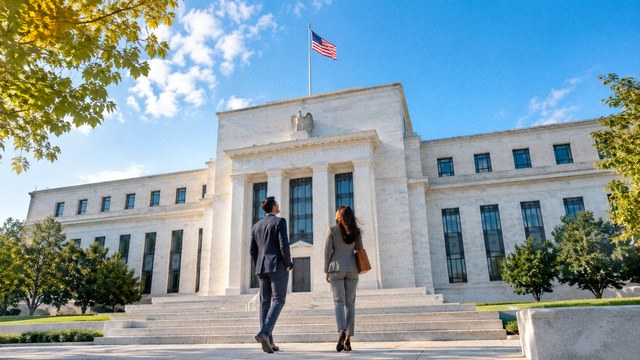
Fed faces rate hike pressure after 162,000 jobs surge
5 September 2026Strong August hiring reduces fear of an economic slowdown while leaving higher borrowing costs on the table.
How it unfolded
Official jobs figures show a sharp autumn cooldown
On the morning of October 2, the Bureau of Labor Statistics released its initial survey for September: 29,000 net new payroll jobs and an unemployment rate of 4.2%. Financial newsrooms, led by Fox Business and followed moments later by Reuters, published the findings immediately after the government lifted its reporting embargo.
Summer updates reveal weaker hiring than first thought
Later responses from employers showed that the summer job market was softer than initial announcements indicated. The government revised July from a modest gain into a net loss of 10,000 positions and reduced August by 29,000 jobs. Such updates are routine as late surveys arrive, but these combined cuts confirmed that employment had already been losing speed before September arrived.
More job seekers enter an unhurried market
The rise in the unemployment rate came from more people looking for work rather than widespread layoffs. An estimated 406,000 more individuals found work during the month, but about 485,000 people entered the civilian labor force. Because new job seekers arrived faster than businesses hired, the overall jobless rate rose to 4.2%.
Modest hiring centers on health care and building
Job gains were limited to a handful of industries. Private businesses added 46,000 positions overall, led by health care, construction and manufacturing, while public agencies cut 17,000 jobs. At the same time, average hourly wages rose 3.0% over the previous twelve months, suggesting that employers face little pressure to bid up wages aggressively to attract staff.
Slower hiring eases pressure for immediate interest rate hikes
The weak hiring figures reduced expectations that the Federal Reserve would raise interest rates again in late October. The central bank had lifted borrowing costs on September 16, but financial markets quickly scaled back bets on another immediate increase after the jobs data pointed to a cooling labor market. Central bank officials noted that upcoming inflation data will still factor into their final decision.
Where things stand
The reported figures remain the latest available official baseline. The preliminary count stands at 29,000 jobs gained in September, unemployment at 4.2%, and downward revisions leaving July with a 10,000 job loss and August with 133,000 positions added.
It is still uncertain whether September marks a lasting slump or normal monthly variation around modest underlying growth. The question will be clarified by incoming inflation data before the Federal Reserve meets on October 27 and 28, followed by the next monthly employment report on November 6.