We analyzed this claim: is it true that
North Korea's TraderTraitor carried out the Binance theft and crypto platforms were told to block the cash?
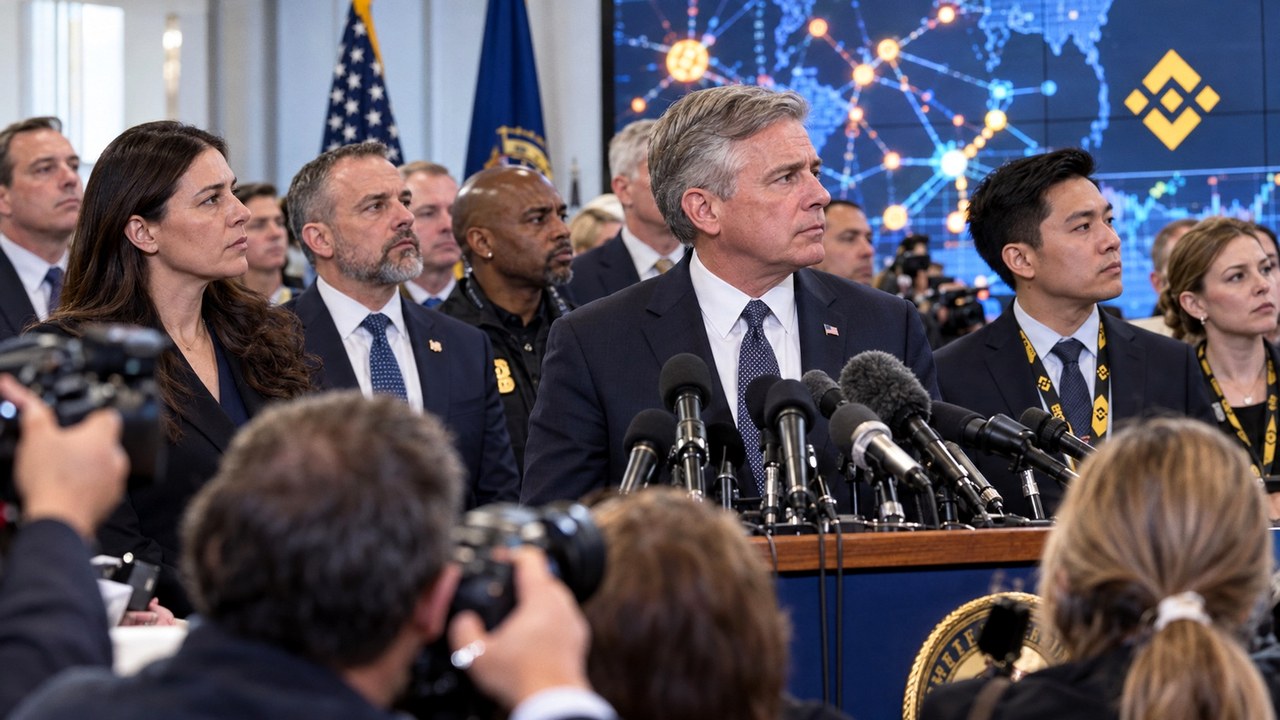
The FBI linked the theft to North Korea and gave firms a list of addresses to freeze, but investigators still cannot explain how the transfers were authorized or whether Binance fixed the flaw.
FBI Hunts Binance Loot as Core Flaw Stays Unfixed
US agents named North Korea for the historic crypto theft, but nobody has explained how the transfers were approved.
In a nutshell
Hackers tied to North Korea pulled off the largest cryptocurrency heist in history, taking roughly $6.3 billion from Binance using genuine system approvals. While US law enforcement moved fast to blacklist the attackers' wallets and Binance replaced most of the stolen funds from its own reserves, the fundamental mystery remains unsolved: nobody yet knows how the thieves got permission to approve the transfers.
Highlights
- Hackers stole approximately $6.3 billion from Binance across multiple digital networks.
- The FBI attributed the record heist to TraderTraitor, a North Korean state-backed cyber group.
- US investigators published a list of attacker addresses to help platforms freeze the stolen funds.
- Binance announced it replaced roughly 90% of the stolen assets to protect depositors.
- The origin of the valid signatures used to authorize the transfers remains unexplained.
From the Editor’s Diary
Replacing lost funds can save a bank run, but only understanding the flaw can stop the next break-in.
Who's involved
Binance
The world's largest online exchange where users trade digital money
goal → Secure its systems, replace missing customer funds, and figure out how fake transfers got real approvals
Federal Bureau of Investigation (FBI)
The top US federal law enforcement agency
goal → Track the stolen cash and rally global exchanges to block the hackers from spending it
TraderTraitor
A North Korean government cyber unit that steals funds for the regime
goal → Keep control of the stolen billions and swap them into untraceable cash
Cryptocurrency infrastructure providers
The private companies that run digital money networks, trading desks, and ledgers
goal → Watch for the hackers' digital money and freeze it before it disappears
In short
Global investigators have identified who stole $6.3 billion from Binance, but they still cannot explain how the theft succeeded. The breakthrough gives police a way to track the cash, yet it leaves the world's largest cryptocurrency marketplace vulnerable to the same trick.
This alert makes it likely that global exchanges will freeze parts of the stolen loot as the thieves try to cash out.
That outcome is likely, because public alerts make dirty money radioactive on major trading desks, though rogue networks can still move coins beyond official reach. The FBI named the culprit on October 31 as TraderTraitor, an elite North Korean state hacking team. While agents urged crypto firms to blacklist the thieves' accounts, Binance acknowledged that its original theory—a single infected staff laptop—did not tell the whole story. The firm has replaced nine-tenths of the missing customer reserves, but replacing money is not the same as fixing a broken lock.
How it unfolded
Mysterious Approvals Drain Billions Across Multiple Networks
Late on October 29, billions of dollars began vanishing from digital accounts run by Binance, the world's biggest cryptocurrency trading hub. The money crossed multiple digital asset networks, and while independent blockchain monitors spotted the drain immediately, the transfers carried genuine electronic approvals. Blockchain analytics firm TRM Labs pointed to a broken authorization system, but neither the company nor outside experts could trace the exact path the thieves used to walk inside.
Washington Steps In While the Core Lock Remains Unrepaired
With Binance still searching for answers, the US government stepped in to slow down the getaway. The FBI named North Korean state squad TraderTraitor as the thief and circulated their digital account numbers so exchanges could freeze incoming cash. Yet blacklisting accounts only treats the symptom; it cannot undo the theft or explain why Binance's authorization controls approved the drain in the first place. Binance tried to reassure customers by putting up fresh money to cover 90% of the hole, but one unexplained Binance security failure still hangs over the exchange until independent engineers test a real fix.
Where things stand
The FBI has named the suspect and given trading desks a map of addresses to block. That helps law enforcement chase the paper trail, but it has not recovered the missing billions or guaranteed that every getaway route is closed.
The critical security question remains unanswered. Binance has largely replaced the stolen coins out of pocket, yet its engineers still cannot explain how fraudulent withdrawals passed every internal check. Until Binance publishes a verified post-mortem review and demonstrates that its transaction approvals can catch an intruder, the system that failed remains unproven.
The $6.3B Binance hack

Binance locks withdrawals after record $6.3 billion digital theft
30 October 2026Intruders drained billions from the cryptocurrency exchange, prompting emergency asset freezes and a pledged corporate bailout.
Freezing Stolen Crypto Proves Easier Than Returning It
30 October 2026Stopping billions in stolen digital coins halts the thief but leaves victims waiting on complex legal returns.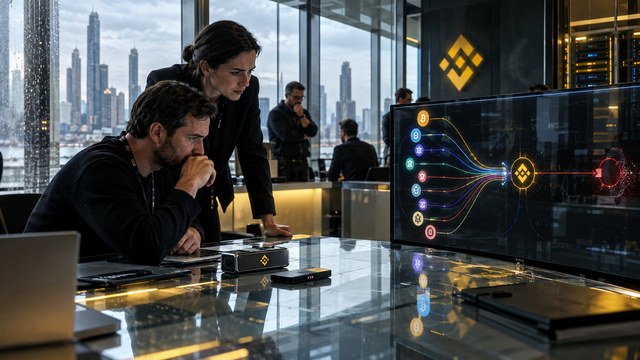
How One Breach Emptied Ten Blockchains
30 October 2026A single digital intrusion bypassed security across multiple payment networks.
North Korea Clues Mount in Huge Binance Theft
30 October 2026Clues point to North Korean hackers in a massive crypto theft, but public proof remains out of reach.
Binance faces $6.3 billion breach as stablecoin use grows
30 October 2026Visa reported surging payment volumes in dollar-pegged tokens just before the world's biggest crypto exchange suffered a record-scale security incident.