one line: Euractiv URL yields 404, but EU launched critical materials matchmaking platform
European Commission caps foreign mineral share at 65%
Brussels broadens collective purchasing to strategic raw materials to cut industrial exposure to dominant supplier China.
In a nutshell
The European Commission expanded its collective purchasing system into critical raw materials in April 2026, aiming to cap single-country import exposure at 65 percent by 2030 to counter Chinese supply leverage. Online reports on September 27 claimed Brussels launched a specific rare earths tender, but those claims trace to broken web links and remain unconfirmed while underlying demand aggregation continues.
Highlights
- The European Commission opened its Energy and Raw Materials Platform on April 13, 2026, to aggregate corporate demand for rare earths, battery elements, and defence minerals.
- European Union rules set a binding target to limit single-country import exposure for key minerals to 65 percent by 2030.
- Online claims on September 27, 2026, alleging a formal European Commission joint tender for rare earths rely on dead web links and remain unconfirmed.
- Brussels operates the platform as a commercial matchmaker rather than purchasing strategic minerals directly with public funds.
From the Editor’s Diary
Collective buying frameworks only diversify supply chains once private industrial buyers sign binding contracts with alternative suppliers rather than relying on unverified administrative tenders.
Who's involved
European Commission
Executive arm of the European Union that proposes laws and manages the shared purchasing system
goal → Pool corporate orders to reduce import reliance on single foreign suppliers below 65 percent
Ursula von der Leyen
President of the European Commission who leads European Union policy
goal → Create shared buying tools and emergency mineral reserves to safeguard industrial security
Industrial buyers in the EU
Private automotive, defence, and clean-energy companies based in Europe
goal → Secure steady shipments of rare earths and critical minerals without factory halts
China
Dominant global processing nation and exporter of rare earth metals and battery minerals
goal → Keep control over worldwide mineral refining and distribution chains
In short
Europe's industrial manufacturers face a forced shift in how they buy critical raw materials, as the European Commission expands collective purchasing rules to curb supply exposure to China. The policy matters because it restricts European companies from relying on a single foreign nation for more than 65 percent of any strategic mineral import by 2030, using group purchasing power to force supply diversification across rare earths, battery components, and defence inputs.
Private buyers will soon face structured commercial matches with vetted non-dominant suppliers as initial matchmaking cycles conclude.
This shift is likely, because the operational software and demand-aggregation framework have been live since April 2026, though corporate participation rates remain unverified.
Previously in this story
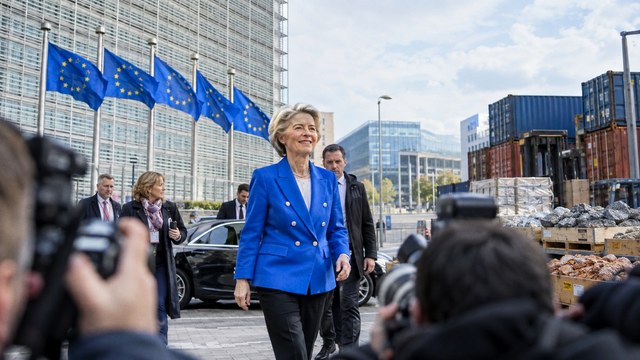
European Union limits mineral import risks to 65%
23 September 2026Official EU rules set voluntary mineral goals, not compulsory buyer quotas.
How it unfolded
European Commission Opens Minerals Matchmaking
The European Commission widened its joint gas procurement portal into strategic raw materials on April 13, 2026, letting European businesses log joint purchasing requests for rare earths, battery minerals, and defence inputs to counter overseas supply bottlenecks.
Joint Mineral Intake Faces Verification Gaps
After its mid-April start, the European Commission set up aggregation cycles planned to finish by late September 2026, aiming to pair factory demand directly with alternative mining suppliers. While online posts on September 27 cited a Euractiv article announcing a formal joint tender for rare earths, that web page could not be accessed, leaving the tender unverified even as basic platform intake proceeds.
Where things stand
The tender rollout reported on September 27 remains unverified due to broken links, but the European Union's mineral matchmaking portal has run continuously since April 2026. Real commercial contracts and corporate uptake from the first intake cycle are the next milestones to watch as Brussels works to open a dedicated Critical Raw Materials Centre.