We analyzed this claim: is it true that
Black Sea governments and NATO have introduced maritime-safety measures after attacks on civilian ships, creating a path toward safer commercial navigation?

Mine-clearing teams, surveillance flights and diplomatic initiatives are active, but no operational ceasefire or merchant-fleet escort exists, and continued attacks show shipping has not returned to safety.
Black Sea Patrols Grow but Trade Stays Unsafe
Navies are clearing hazards, but commercial ships still face deadly strikes.
In a nutshell
The Black Sea remains a hazardous corridor where civilian freighters face fatal drone and missile strikes despite stepped-up NATO patrols and regional mine-clearing sweeps. Commercial shipping cannot safely recover until both warring sides sign and respect an enforceable maritime truce.
Highlights
- Over 32.8 million tonnes of food moved under the UN grain deal before Russia pulled out in July 2023.
- Bulgarian naval teams removed or destroyed parts from over 100 drones during 2026.
- Bulgarian ship operators reported commercial insurance costs tripling following October attacks.
- A strike on the freighter Khoryv off Romania left one dead and three sailors missing on October 23.
From the Editor’s Diary
Patrols and surveillance can detect danger, but they cannot replace a political agreement to stop shooting. Until warring powers sign an enforceable pact, civilian trade routes in the line of fire remain at risk.
Who's involved
Russian Federation
The warring state carrying out Black Sea military strikes
goal → Maintain military leverage, restrict Ukrainian trade and trade maritime concessions for sanctions relief
Ukraine
The defending country reliant on Black Sea and Danube ports
goal → Protect its export routes and sailors under international monitoring without ceding territory or security
Bulgaria and Romania
Western Black Sea nations and NATO members bordering the danger zone
goal → Guard their coastal waters, protect sailors and civilian shipping, and secure alliance support
Türkiye
The NATO member controlling naval access through the Bosphorus and Dardanelles straits
goal → Keep regional waters calm, preserve commercial trade and lead cooperative naval safety efforts
NATO
The 32-nation Western defense alliance
goal → Protect allied borders, gather intelligence and deter escalation without committing to guard every civilian ship
European Union
The 27-nation European economic and political bloc
goal → Safeguard trade routes and food supplies, monitor risks and coordinate diplomatic responses
United States
The superpower coordinating allied surveillance and mediation
goal → Broker diplomatic understandings and supply intelligence to regional partners
Merchant-ship operators, insurers and civilian crews
The private firms and seafarers navigating hazardous waters
goal → Secure safe routes, reliable rescue coverage, affordable insurance and proof that danger is falling
In short
Merchant shipping in the Black Sea remains dangerous despite expanding naval patrols, meaning vital grain and fuel routes cannot yet operate safely. The most likely next step is that commercial voyages will stay depressed and expensive while allied governments limit their role to surveillance and coastal defense rather than escorting civilian ships. Whether normal commercial traffic can recover soon is uncertain, because it requires an enforced truce that Russia has so far rejected.
The Black Sea connects global food and fuel supplies to international buyers. After Russia invaded Ukraine in 2022, military strikes turned trade routes into conflict zones. Those dangers have now crept westward into the waters of Romania and Bulgaria, two members of both the European Union and NATO, the Western military alliance.
Allied nations have responded by hunting floating mines, tracking airspace and offering diplomatic proposals. However, these activities stop short of shielding merchant vessels on the open sea. Recent ship casualties off Romania and Bulgaria show that until both warring parties respect an enforceable pact, civilian crews remain at severe risk.
How it unfolded
War Halts Black Sea Merchant Shipping
Russia's full-scale invasion of Ukraine shut down commercial shipping across the northern Black Sea overnight. Ukraine closed its ports and Russia blocked the Sea of Azov, stranding crews, freezing food exports and triggering fast missile strikes against merchant vessels.
A Supervised Grain Corridor Works, Then Fails
A United Nations and Turkish diplomatic effort briefly restored grain shipments through a tightly inspected corridor. It proved that ships could move during war if both sides consented, but it collapsed the moment Russia withdrew its security guarantees.
Regional Navies Unite Against Drifting Mines
Bulgaria, Romania and Türkiye formed a joint task force to clear floating explosives without waiting for Moscow. The unit began active sweeps, but its mandate covered navigational hazards like drifting sea mines rather than flying missiles or drones.
A Diplomatic Truce Stalls Over Sanctions
American-mediated talks produced principles for protecting merchant routes, but the deal quickly stalled when Russia demanded relief from economic sanctions before honoring it. The European Union then turned toward building shared surveillance centers instead.
Strikes Move West as Defenses Are Tested
Attacks spread into the western Black Sea near European Union borders, prompting marine insurers to expand high-risk war zones. Multiple cargo ships caught fire or sank in Bulgarian and Romanian waters, showing that mine-clearing sweeps could not shield traffic from aerial drones.
Bulgaria Urges Truce as Insurance Costs Surge
Bulgarian leaders proposed negotiating a formal maritime halt to fighting, while European leaders demanded safe passage for food transport. Fresh ship strikes and sunken vessels drove shipping insurance premiums higher, underscoring that diplomatic appeals alone did not safeguard vessels.
NATO Adds Surveillance Without Route Escorts
Allied air defenses shot down drones breaching Romanian airspace, and NATO deployed reconnaissance planes, radars and bomb investigators to the area. However, the military alliance stopped short of providing naval escorts to guard merchant freighters outside territorial waters.
Deadly Strikes Continue Despite Defense Plans
Regional defense councils and European lawmakers called for emergency protections, but attacks continued. An offshore strike left a merchant vessel capsized off Romania with sailors dead and missing, followed by an unverified Russian claim of another strike near Ukraine.
Where things stand
No working maritime truce exists across the Black Sea. Bulgarian diplomatic plans remain unaccepted, while European officials acknowledge that Moscow has rejected proposed navigation rules. Although NATO has reinforced surveillance and regional navies clear floating mines, no military mission guards commercial freighters along international shipping lanes.
Real recovery requires proven results: an accepted written agreement, fewer attacks, fewer crew casualties, steady shipping traffic and cheaper insurance. Until those metrics improve, the facts show expanding military vigilance rather than safe seas.
Black Sea ship strikes off Romania and Bulgaria
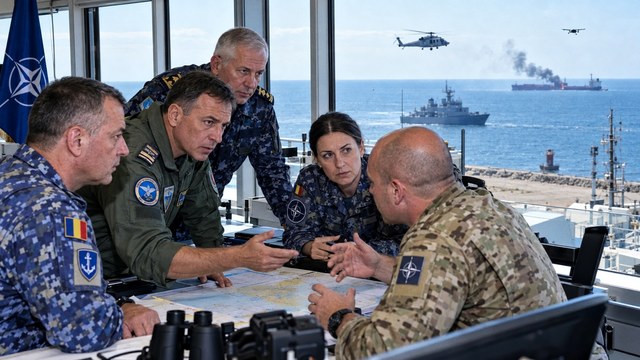
NATO adds Black Sea patrols after deadly ship strike
25 October 2026The Western military alliance sends planes and radar after commercial vessels face strikes and stray drones reach Baltic soil.Bulgaria stalls Black Sea security hub launch
25 October 2026Commercial shipping faces ongoing sea drone risks while a planned coastal monitoring base remains trapped in planningEuropean Parliament rebukes Bulgaria in 432-52 vote
24 October 2026Lawmakers censured Sofia over delayed Black Sea defenses as drone strikes on commercial ships spread.Russian strike sinks merchant ship off Romania
24 October 2026A drone attack claims a civilian life and disrupts western Black Sea trade routes.Bulgarian Navy clears over 100 Black Sea drones
23 October 2026Explosive remnants drifting south from Ukraine force round-the-clock naval sweeps to protect commercial shipping corridors.US Navy resumes Black Sea air patrols
20 October 2026A maritime surveillance aircraft flew low off Bulgaria following strikes on commercial vessels.Romania shoots down two Black Sea drones
18 October 2026Romanian fighter jets destroyed two incoming drones over sovereign waters on Saturday after Bucharest warned allies of mounting risks to commercial shipping.Bulgaria probes drone strike on ship
18 October 2026Military prosecutors open a war-crimes inquiry into an attack on the cargo vessel Chelsea 3 in the Black SeaBulgaria seeks NATO shield after sea strikes
16 October 2026Sofia will seek entry to the Western alliance's counter-drone project by October 30 after attacks sank a merchant ship.Drones sink cargo ship off Bulgaria leaving 11 missing
16 October 2026Attacks on two merchant vessels in Bulgarian waters draw NATO into Black Sea crisisBulgaria rallies Black Sea allies against drone strikes
14 October 2026Defence chiefs from Sofia, Bucharest and Ankara unite to demand an immediate halt to attacks threatening commercial shipping lanes.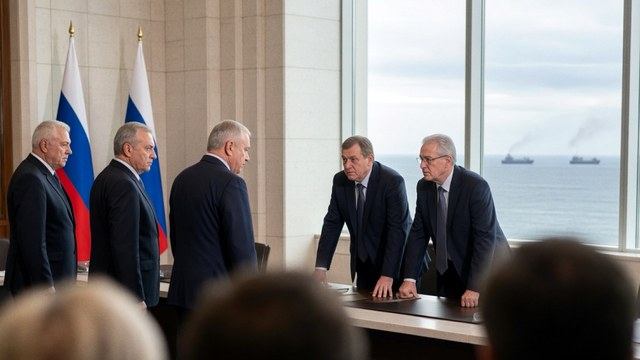
Bulgaria splinters over response after drone strikes sink ship
9 October 2026Drone attacks sank one cargo vessel and damaged another off Bulgaria, leaving 12 crew missing and political leaders divided over who to blame.Russia targets Black Sea grain corridor
21 September 2026Moscow fires 174 drones in barrage claiming hits on commercial shippingRussian strike kills ship captain in Black Sea
18 September 2026A drone hit on a Tanzanian-flagged vessel risks raising shipping insurance costs along Ukraine's export corridor.